

Delhi’s competitive sports scene is getting more intense. Young athletes across cricket academies, track clubs, and football grounds need more than general fitness coaching to stand out. Sports performance training in Delhi is built around the exact physical and mental demands of your sport, not a one-size-fits-all gym routine. If you are serious about raising your game, understanding what this type of training involves and how it differs from ordinary personal training is the first real step.


Why Sports Performance Training Matters for Delhi Athletes
Delhi produces a remarkable volume of athletic talent. The D.D.C.A. complex, Jawaharlal Nehru Stadium area, and local cricket grounds in Dwarka and Rajouri Garden all host regular competitive action. The athletes training here face a consistent challenge: general fitness does not automatically translate to better match performance.
A cricketer who can deadlift well may still lack the reactive strength needed to explode into a sprint between wickets. A footballer with good endurance on a treadmill may struggle during repeated high-intensity sprints in a match. Sports performance training closes that gap by targeting the exact physical qualities your sport demands.
Delhi’s climate adds another layer. Training through summer months requires programs that manage heat stress while maintaining intensity. Coaches who understand local conditions build sessions that keep you progressing without burning you out before the season starts.

ff7ed;border-left:4px solid #f97316;padding:1.25rem 1.5rem;margin:2rem 0;border-radius:0 8px 8px 0;”>
“Sports performance training is not about training harder. It is about training with purpose, every single session.”
What Separates Performance Training from Regular Personal Training
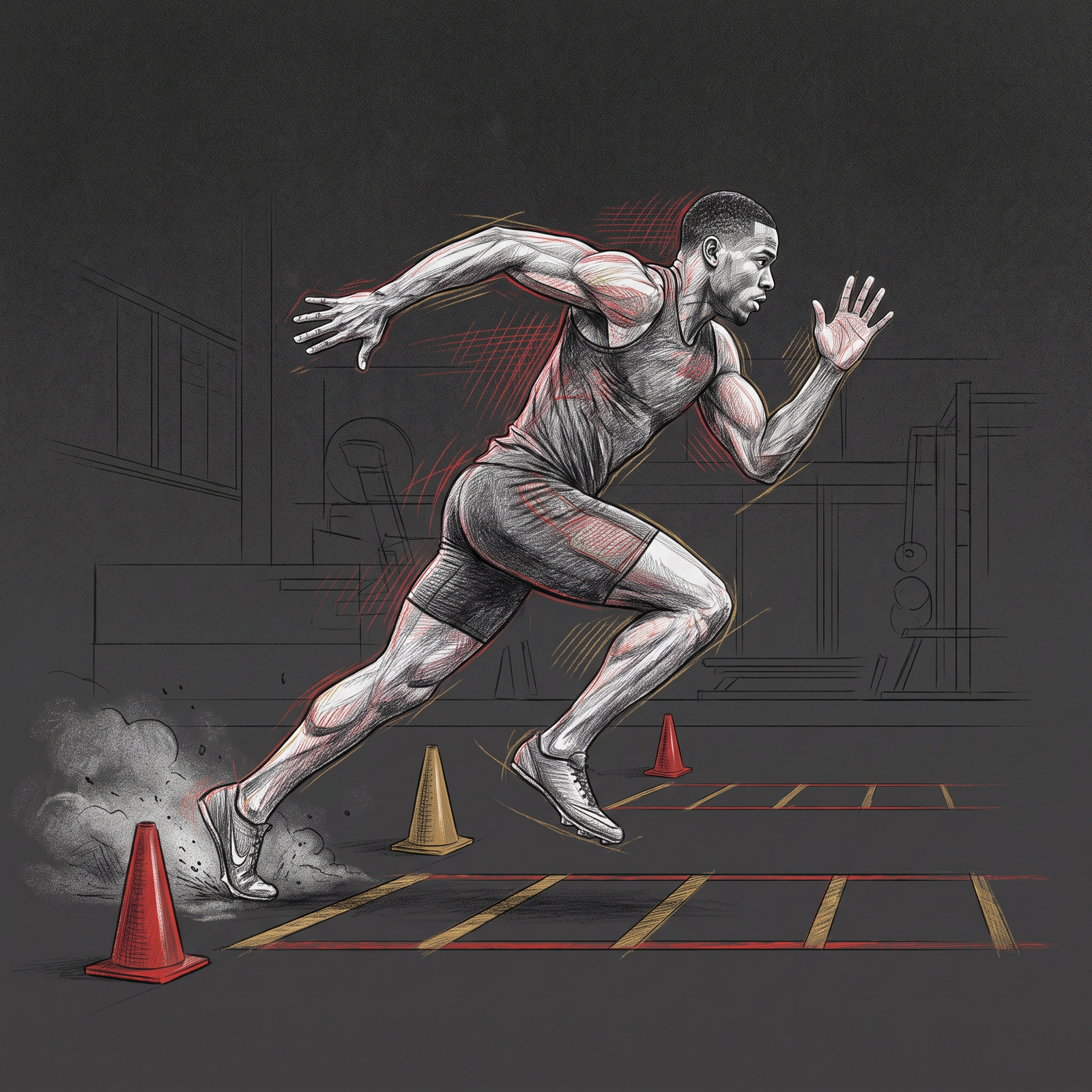
Regular personal training delivers broad health and fitness improvements. You might build general strength, improve cardiovascular health, and feel better day to day. Those are valuable outcomes, but they do not necessarily make you a better athlete.
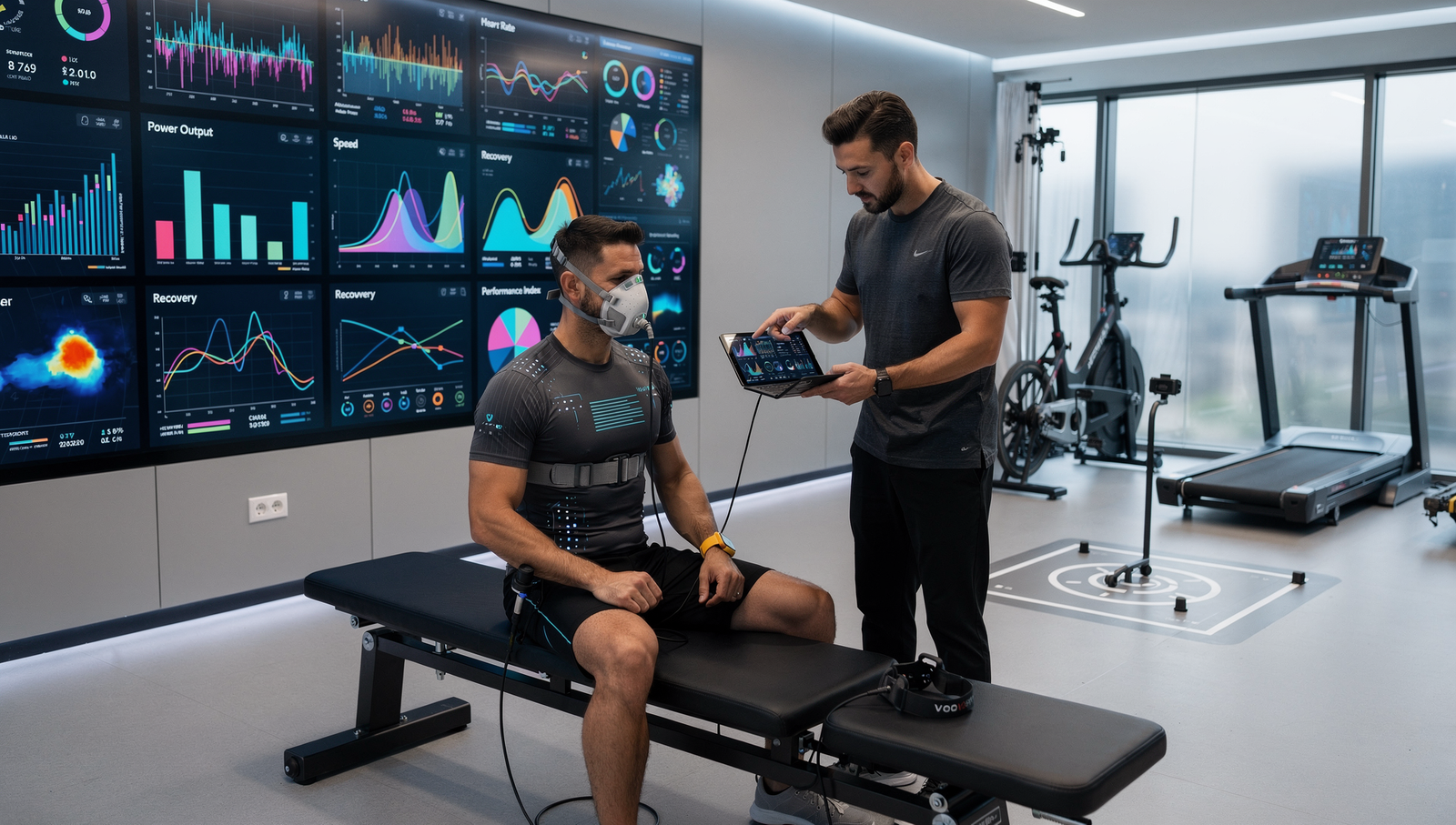
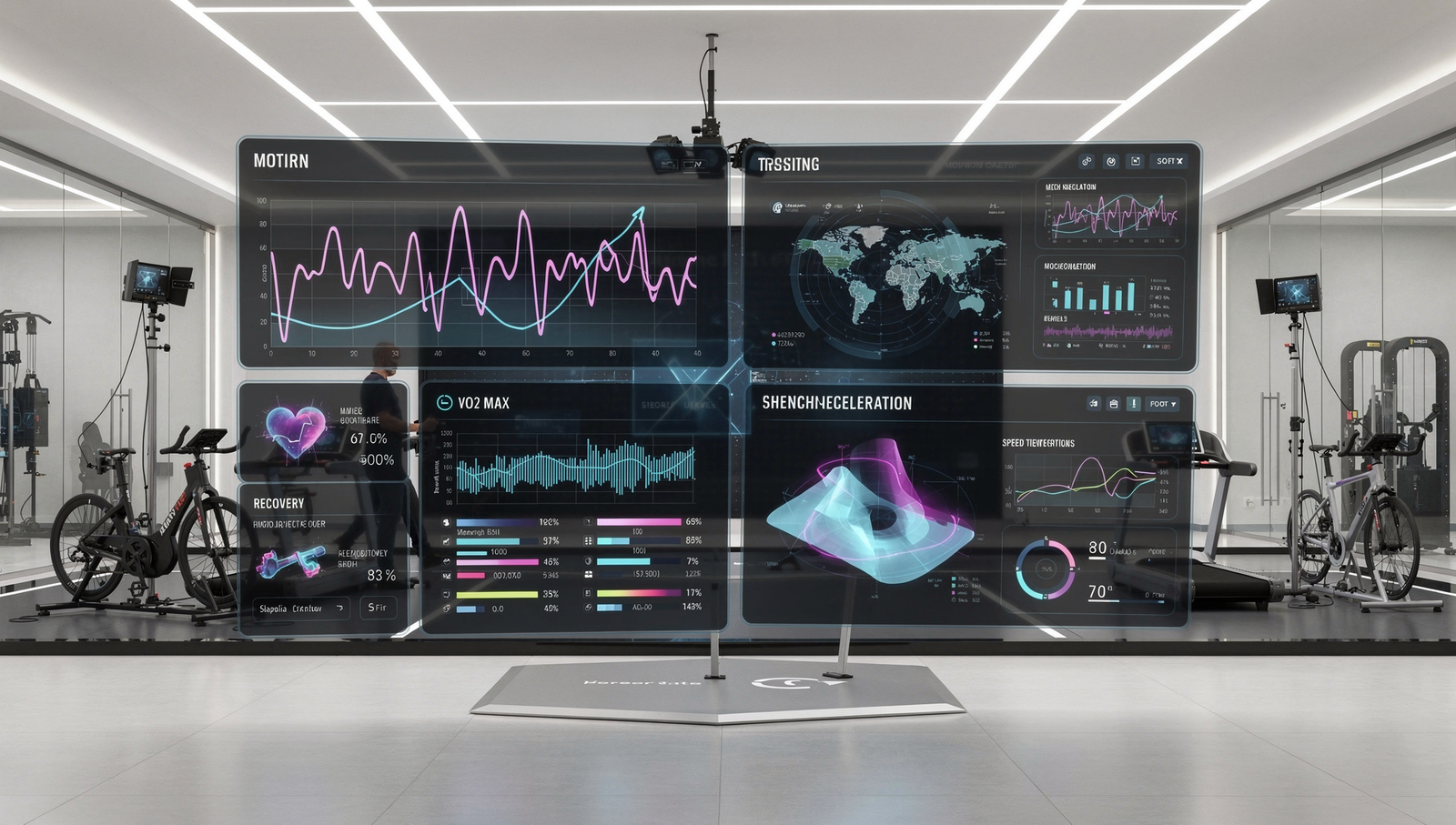
Performance training starts with assessment. A qualified coach measures your baseline in areas like sprint mechanics, change-of-direction ability, power output, and movement efficiency. From there, the program is built to improve the specific qualities that limit your current performance.
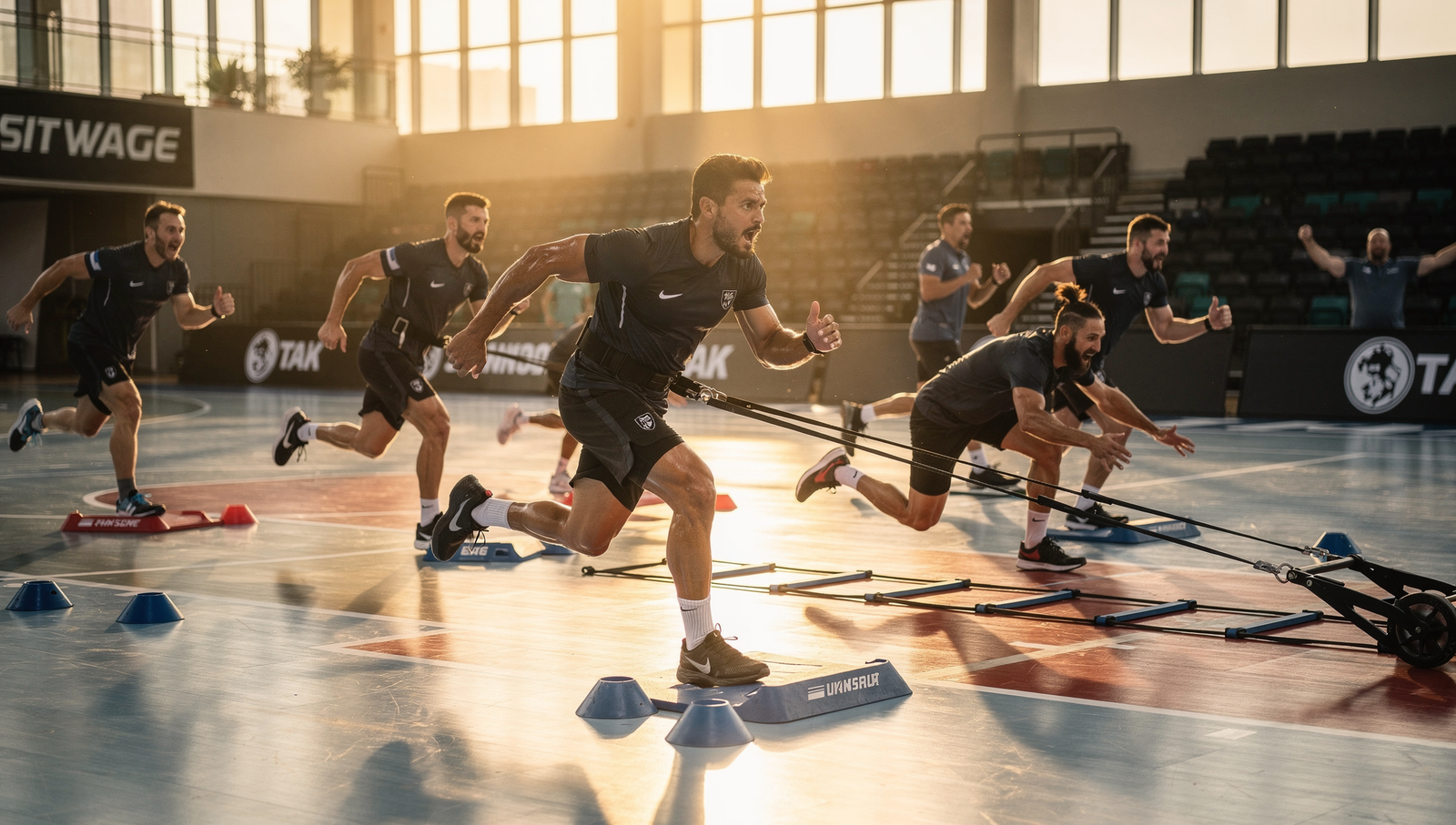
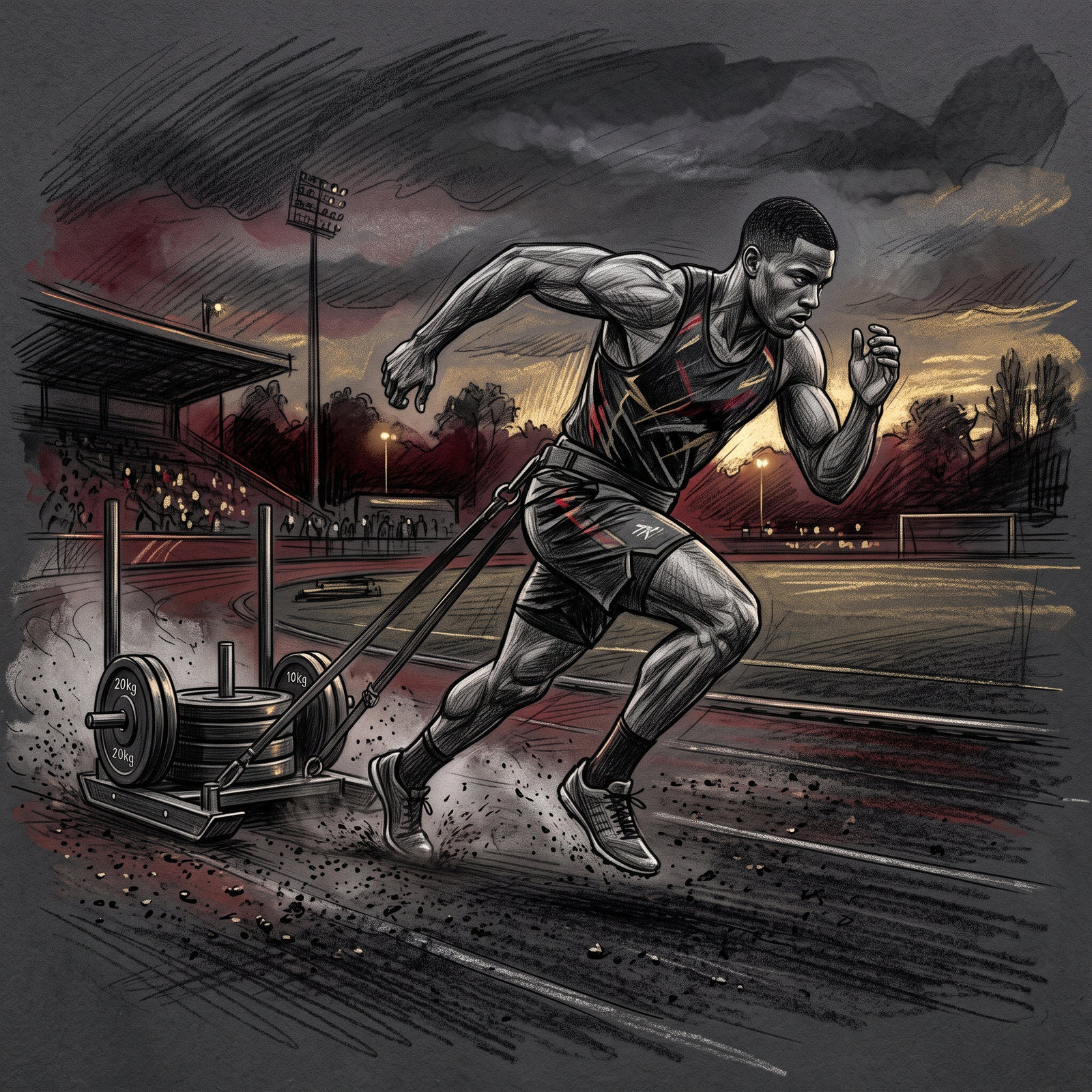
The difference shows up in session design. A regular personal training session might involve circuit training with light weights. A performance session could involve loaded sprint intervals, plyometric progressions, and sport-specific movement patterns. Every exercise has a direct transfer to your sport.
If you want to understand what quality coaching looks like before committing, check out our guide on og.richifitness.in/how-to-choose-personal-trainer-delhi/”>how to choose a personal trainer in Delhi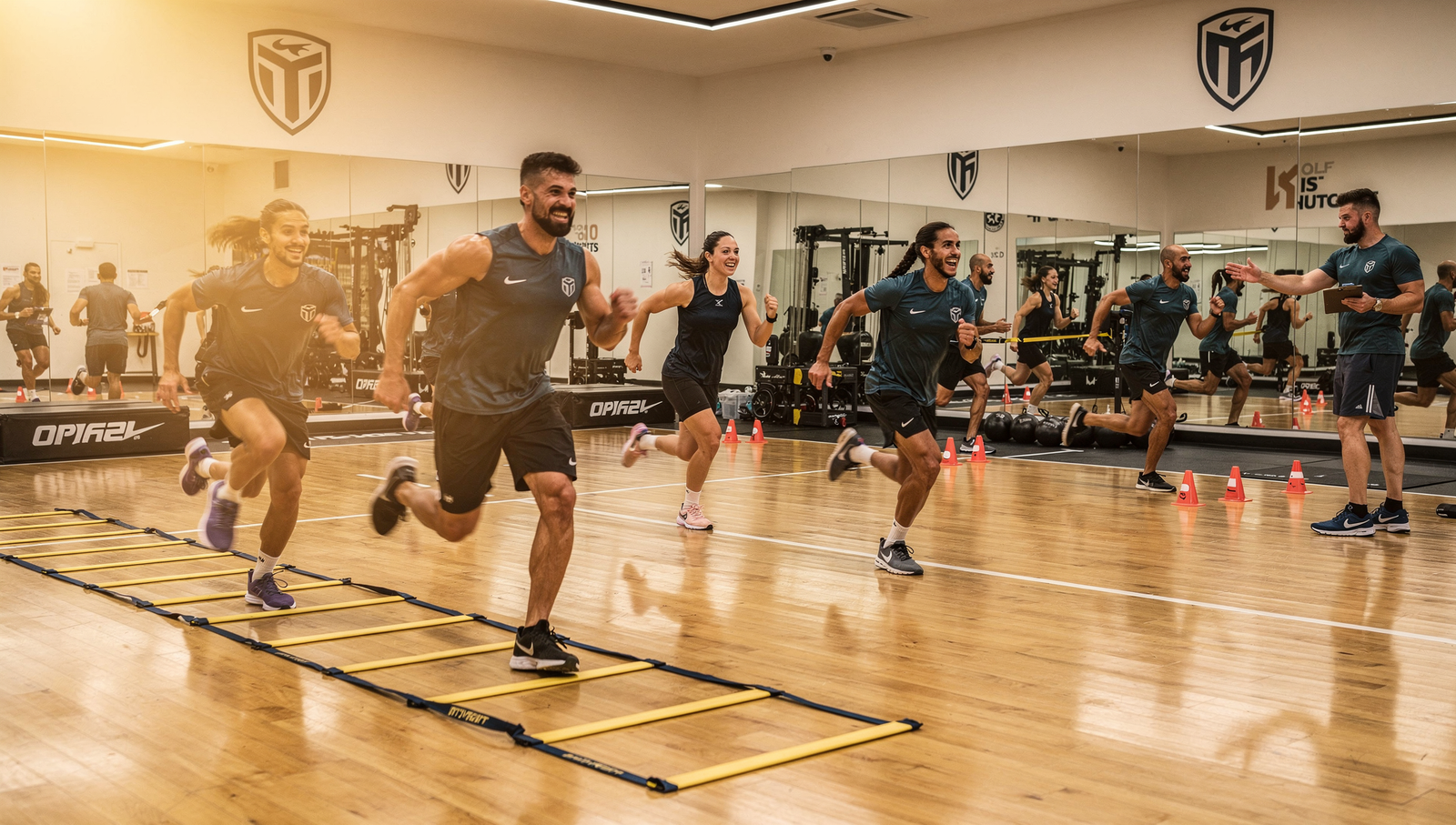

Key Physical Qualities Performance Training Develops
Every sport draws on a combination of physical qualities, but the mix varies significantly. Here is what a solid performance program targets and why each one matters.
Speed
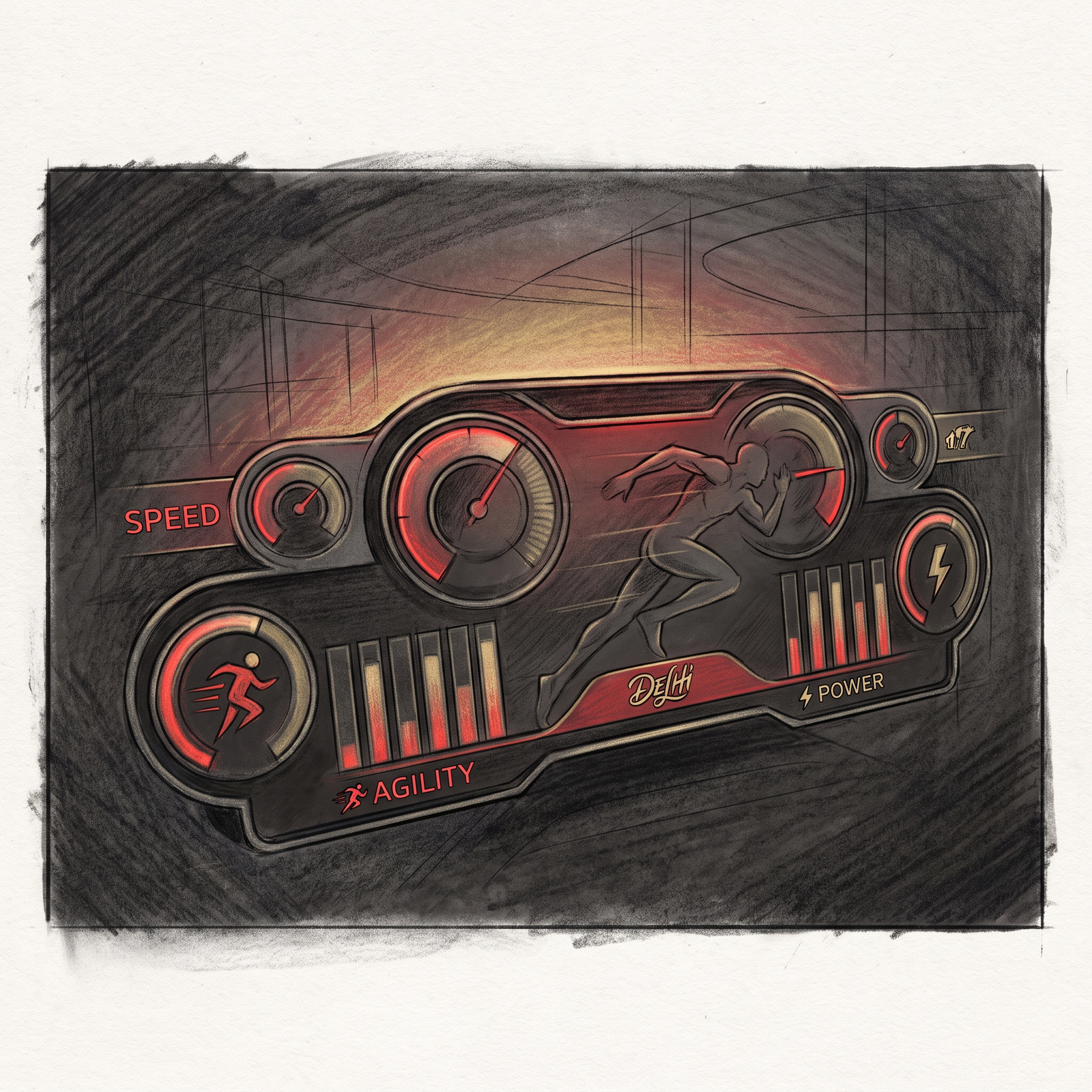
Speed is not just about running fast. It is about accelerating quickly, maintaining top velocity, and decelerating safely. In cricket, that first few steps when running between wickets can be the difference between a run and a close call. In football, the player who reaches the ball first wins the possession.
Delhi-based athletes working on speed need coaches who can teach proper sprint mechanics. Posture, arm drive, foot placement, and ground contact time all require attention. Raw effort without technical correction often leads to inefficiency and, over time, injury.
Power
Power combines strength and speed. It is the ability to exert maximum force in minimum time. A batsman generating bat speed, a sprinter exploding from the blocks, a basketball player jumping for a rebound: all depend on power.
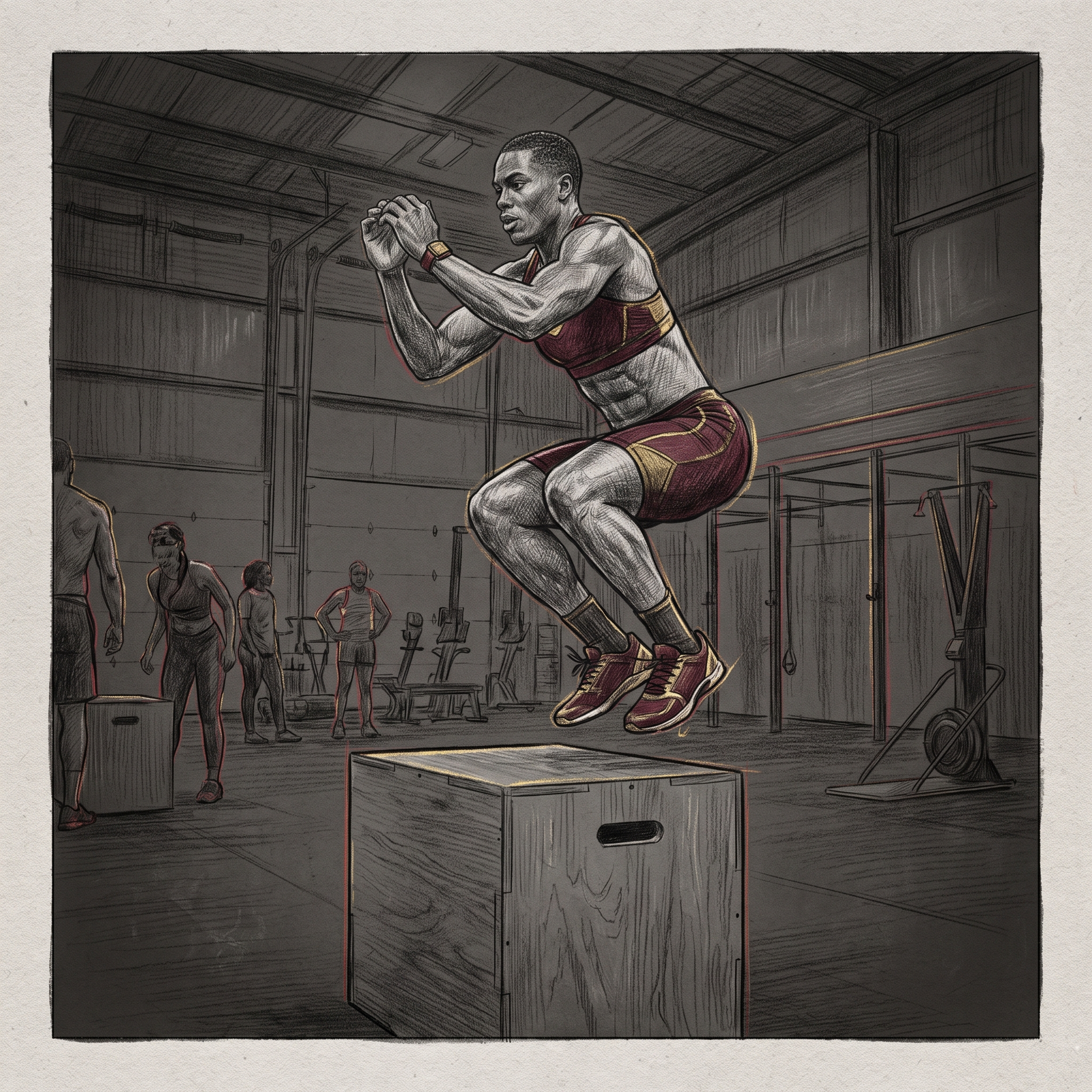
Training power involves Olympic-style lifts, medicine ball throws, plyometric jumps, and loaded jumps. These exercises require careful progression and supervision. The jump from bodyweight training to weighted power work needs proper coaching to stay safe.
Agility
Agility is your ability to change direction quickly and efficiently under control. Field sports, combat sports, and even cricket demand constant direction changes. A bowler adjusting run-up angles, a fielder diving to stop a boundary, a midfielder turning to evade an opponent: agility is central.
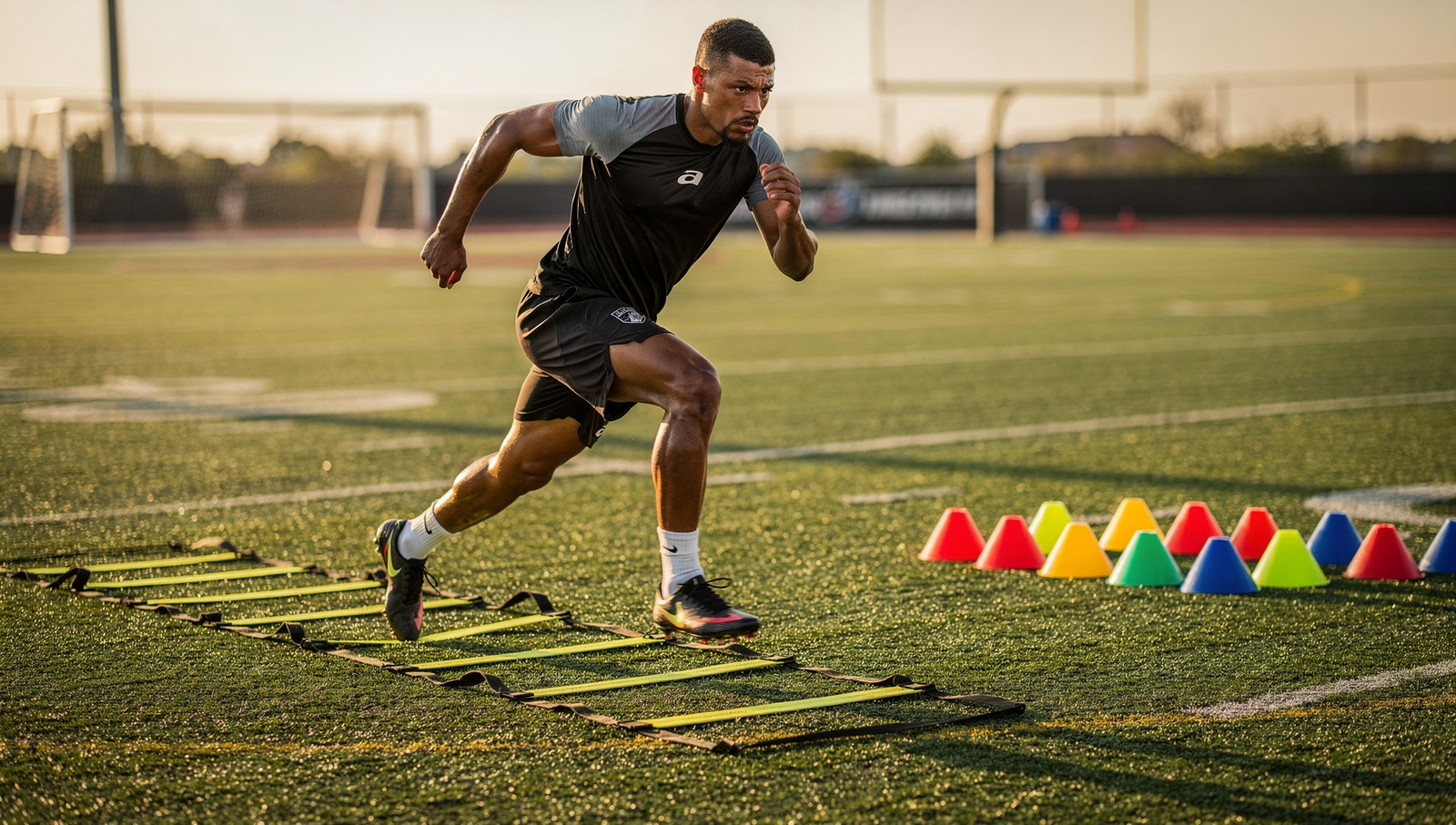
Agility training goes beyond cone drills done poorly. Good programming builds change-of-direction technique, deceleration skills, and reactive decision-making. The best sessions simulate the visual and mental demands of actual match situations.
Endurance
Sport-specific endurance is not the same as general aerobic fitness. A cricketer needs repeated-sprint ability over several hours, not the ability to jog ten kilometers at a steady pace. A footballer needs to recover between high-intensity bursts. The energy system demands are precise.
Performance coaches design conditioning around the work-to-rest ratios your sport actually uses. That means shorter, sharper efforts with appropriate recovery, not long slow distance work that does not transfer to match performance.
Resilience
Resilience covers injury prevention, load management, and the ability to maintain performance when fatigued. This is where performance training quietly makes its biggest impact. Athletes who train with attention to movement quality, tissue capacity, and recovery habits stay available for selection more often.
In Delhi’s competitive sports environment, availability is a competitive advantage. The athlete who trains consistently through a season without a breakdown often outperforms the more talented athlete who misses matches through injury.
uring early morning” style=”width: 100%; max-width: 700px; height: auto; border-radius: 8px; margin: 28px 0; display: block;” />
Stat Highlight: Athletes who follow structured performance programs report up to 30 percent improvement in sport-specific test outcomes within 12 weeks of consistent training.

How to Evaluate a Performance Coach
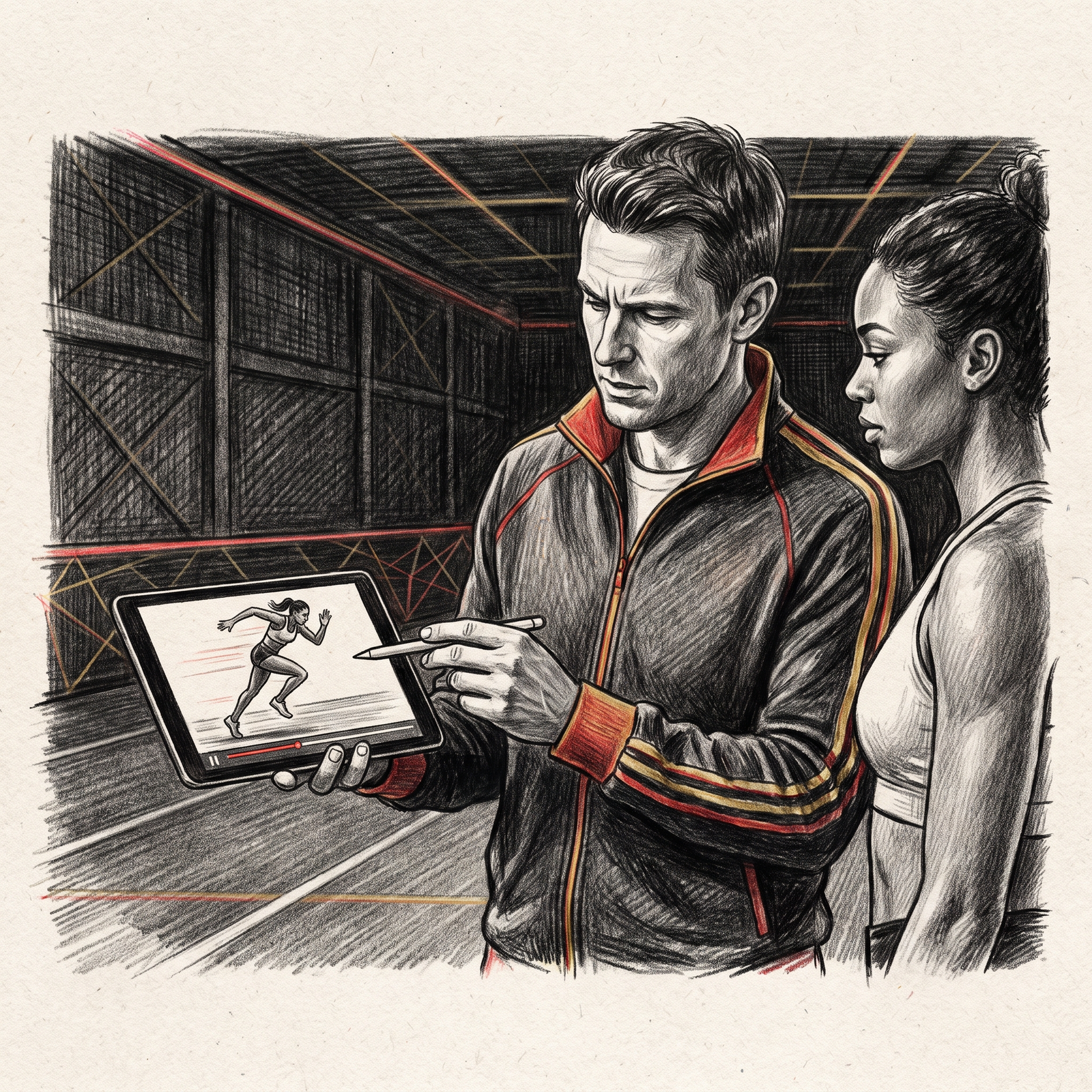
Not every personal trainer is equipped to deliver performance coaching. The field requires specific knowledge, and the wrong coach can waste your time and put you at risk of injury. Here is what to look for.
First, check credentials. Look for nationally recognized lhi”>strength and conditioning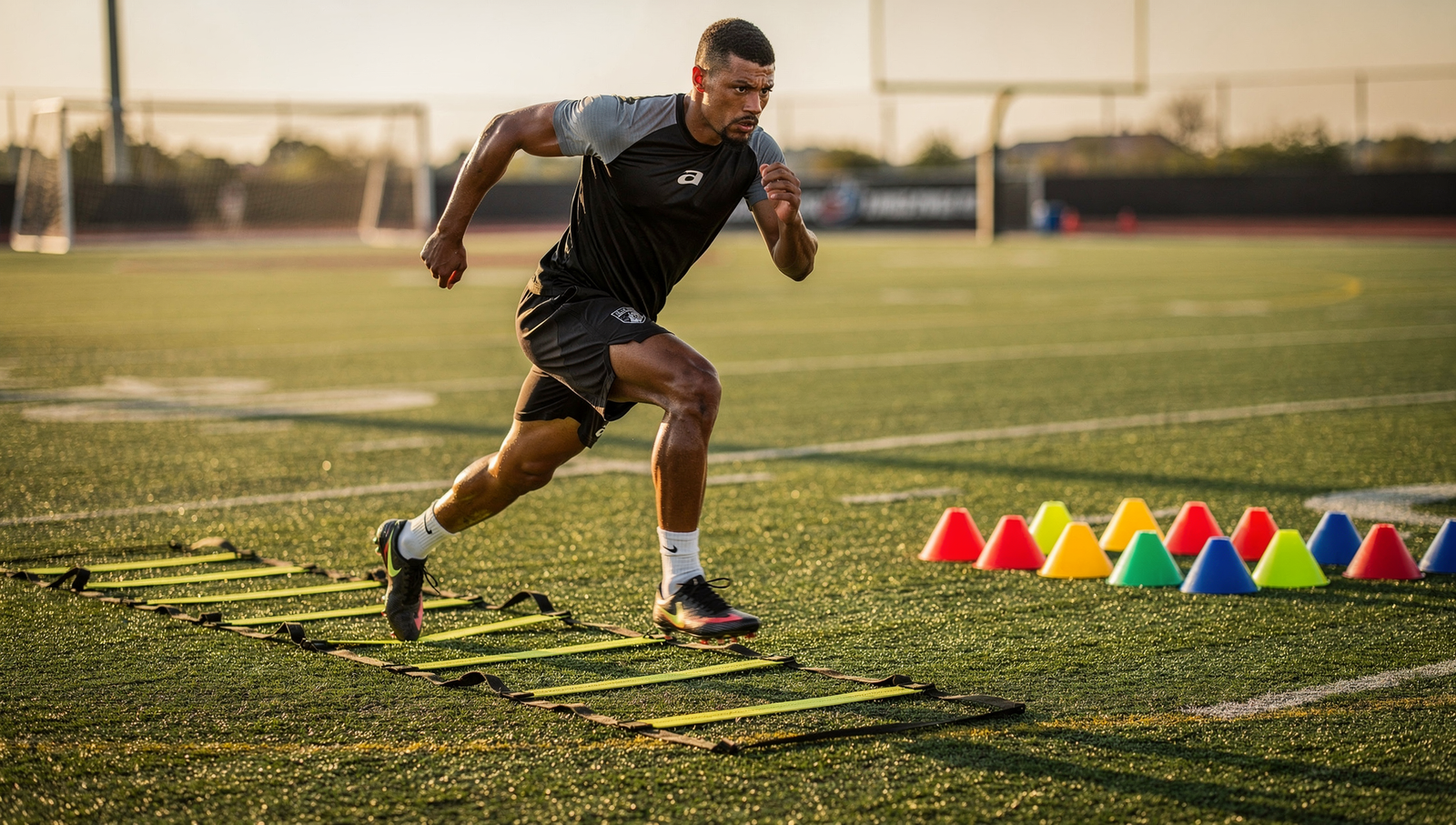
Second, ask about their experience with your specific sport. A coach who works primarily with runners may not understand the movement demands of cricket or football. Ask them to describe how they have helped athletes in your position before.
Third, observe their assessment process. A proper coach will test your current abilities before designing a program. If someone offers a generic plan without assessing you first, keep looking.
Fourth, evaluate their communication. Performance coaching requires clear explanations of why each exercise matters for your sport. If you leave sessions confused about what you achieved and why, the programming may not be well-designed.
For athletes in Delhi specifically, finding the right cricket fitness coach requires a slightly different set of checks, but the core principles of qualification verification and sport-specific experience remain the same.
Training Environments in Delhi
Delhi offers a range of training environments, and each comes with distinct advantages depending on your goals.
Outdoor grounds in areas like the Jawaharlal Nehru Stadium vicinity provide space for sprint work, agility drills, and sport-specific conditioning. Training outdoors also exposes you to real-world conditions, which builds adaptability. The downside is weather. Delhi summers are harsh, and winter mornings can be cold. A good coach adjusts programming for these variables.
Indoor facilities in Saket, Vas

ant Kunj, and Rajouri Garden offer controlled environments for strength and power work. Covered spaces let you train consistently regardless of weather. They tend to have better equipment for lifting, plyometrics, and monitored conditioning.
Academy-based setups in Dwarka and other parts of the city combine group dynamics with individual attention. Training alongside other committed athletes creates healthy competition and accountability. Group sessions also tend to be more affordable, which matters if you are funding your own training.
Home-based or small-studio setups work well for foundational strength work but lack the space and equipment for full performance programming. If you are starting out, a few sessions in a proper facility will give you a stronger foundation than home training alone.
When considering different training options, take a look at our overview of personal fitness training services available in Delhi to understand the full range of options before narrowing down to performance specialists.
Red Flags in Performance Training
Not every coach operating in Delhi delivers quality performance training. Watch for these warning signs.
If a coach promises dramatic results in an unrealistically short timeframe, that is a red flag. Real performance gains require consistent work over months. Quick fixes usually involve shortcuts that compromise long-term development.
If programming ignores your sport’s specific demands, something is wrong. A coach who applies the same template to every athlete is not doing performance coaching. Every sport, position, and individual needs a tailored approach.
If sessions consistently lack structure or warm-up protocols, be cautious. Performance training places high demands on the body. Coaches who skip proper preparation are cutting corners on safety.
If the coach cannot explain the purpose of exercises in terms of your sport, they may be relying on routines they picked up elsewhere without understanding the underlying principles. Ask why each exercise is in your program. A good coach should have a clear answer.
If you notice recurring pain or excessive soreness that does not resolve, speak up. Performance training should challenge you, but it should not break you down. Persistent discomfort is a signal to review the program, not push through it.
What a Proper Program Looks Like Week by Week
A properly designed performance program follows a logical structure across the week, with each session building on the last.
Monday: Lower-body power and speed. This is typically where you place your highest-intensity work when you are fresh. Sprint drills, loaded jumps, and Olympic-style progressions belong here. Sessions run 75 to 90 minutes including warm-up.
Tuesday: Active recovery or skill integration. Lower intensity. This could involve movement pattern drills, light conditioning, or sport-specific skill work that reinforces what you built on Monday. Recovery is where adaptation actually happens.
Wednesday: Upper-body power and core stability. Depending on your sport, this might involve medicine ball throws, push-based plyometrics, rotational power work, and anti-rotation core exercises. The focus is on translating lower-body power into upper-body expression.
Thursday: Conditioning specific to your sport’s energy system demands. For cricket, that might mean repeated-sprint ability work. For football, it could be interval-based endurance. Work-to-rest ratios should match your sport’s actual match demands.
Friday: Agility and reactive training. Cone drills, ladder work, and reactive movement patterns all appear here. The emphasis is on change-of-direction speed and decision-making under pressure.
Saturday: Match or competition day, or a light pre-match activation session. The program should taper appropriately so you are fresh and ready.
Sunday: Complete rest or very light movement. Your body needs full recovery days to process the training stimulus from the week.
Within this weekly structure, the coach should be progressively adjusting load, exercise selection, and intensity across a four to six week mesocycle. If your program looks identical week after week, the coach is not managing your long-term progress.
Getting Started
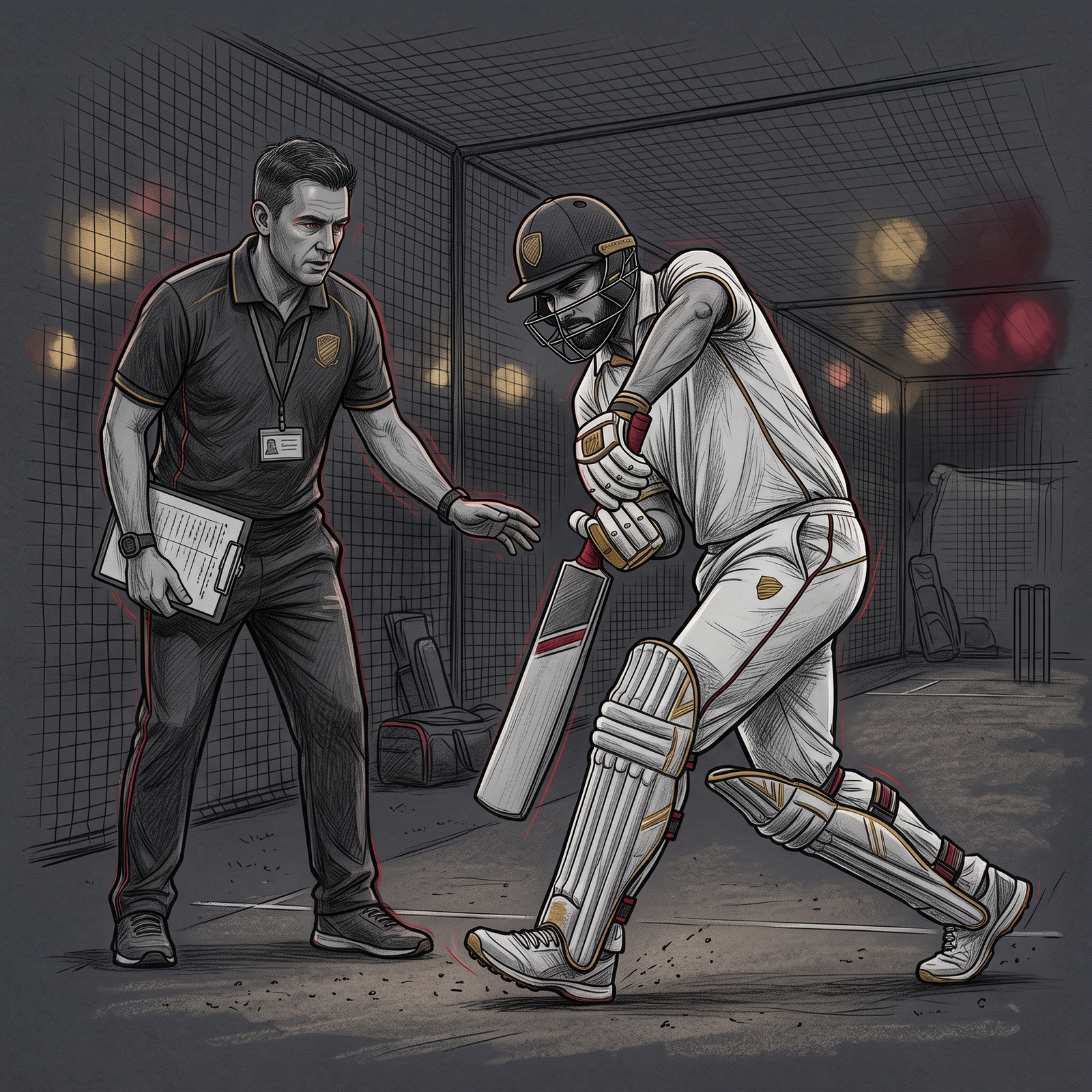
Starting performance training does not require you to already be an elite athlete. It works best when you commit to the process at whatever level you are currently at. Here is a practical path forward.
Book an assessment session with a qualified performance coach. This initial session should cover movement screening, baseline speed and power testing, and a conversation about your current sport schedule and goals. Use this meeting to evaluate whether the coach’s approach matches your needs.
Commit to at least one full training cycle, typically four to six weeks, before judging results. Performance adaptations take time. You will feel improvements in energy and movement quality before you see them in competition metrics.
Track your progress. Simple data like sprint times, jump heights, and session completion rates give you and your coach an objective view of improvement. If you are not measuring, you are guessing.
Support your training with basic habits: sleep seven to nine hours, eat enough protein across the day, and stay hydrated. No training program works without these foundations in place.
Frequently Asked Questions
What age is ideal to start sports performance training?
Young athletes can begin age-appropriate performance training from around twelve years old, focusing initially on movement quality, body awareness, and foundational strength. The programming needs to match physical maturity, and sessions should be engaging rather than overly intense. A coach experienced with youth athletes will adjust volume and complexity appropriately.
How often should I train per week for visible results?
Three to five structured sessions per week produce measurable improvements for most athletes. Training fewer than three times makes consistent progression difficult. Training more than five without careful load management increases injury risk. The exact number depends on your sport’s competitive calendar and your recovery capacity.
Is sports performance training only for competitive athletes?
No. While the programming is designed around sport demands, anyone who wants to move better, get stronger, and reduce injury risk can benefit. Recreational cricketers, weekend football players, and even people returning to activity after time away all find value in performance-based coaching.
How long before I see improvement in my sport?
Most athletes notice changes in movement quality and energy within four to six weeks. Measurable improvements in speed, power, and endurance typically appear within eight to twelve weeks. Match performance improvements depend on how well training transfers to your specific sport situations.
What equipment do I need for performance training?
You need access to a training space with basic equipment: barbells or dumbbells, a sprint track or open area, plyometric boxes or stable platforms, medicine balls, and agility cones. Most commercial gyms in Delhi do not carry all of these, so look for facilities that specialize in athletic training rather than general fitness.
How does Delhi’s weather affect performance training?
Delhi’s extreme temperatures require programming adjustments. Summer sessions should shift to early morning or evening hours to avoid peak heat. Hydration strategies become critical. Winter months are actually ideal for building strength and power, as cooler temperatures support higher-intensity efforts. Good coaches plan around these seasonal shifts rather than forcing the same program year-round.

About the Author
Richi Singh — Certified Personal Trainer, Delhi
With over 12 years of coaching experience, Richi Singh specializes in weight management,
sports conditioning, and corporate wellness. He has trained celebrities, athletes, and everyday clients
across Delhi, combining assessment-driven programming with nutrition guidance for lasting results.

About the Author
Richi Singh — Certified Personal Trainer, Delhi
With over 12 years of coaching experience, Richi Singh specializes in weight management, sports conditioning, and corporate wellness. He has trained celebrities, athletes, and everyday clients across Delhi, combining assessment-driven programming with nutrition guidance for lasting results.