Cricket Fitness Coach Delhi | Find the Right Trainer
·
5 min read
·
Richi Singh
Why Cricket Demands a Specific Kind of Fitness Training
Most people treat cricket as a casual sport. Spend one session in a nets cage and you will understand why that assumption is wrong. Cricket demands explosive sprinting, repeated high-intensity bursts, core stability under uneven load, and shoulder durability that takes months to build. A general fitness routine does not touch these areas.
Your body adapts specifically to what you ask of it. If you want your body to hold up across three days of a Delhi tournament, you need training designed for cricket movements, not a generic gym program borrowed from
bodybuilding culture.
The stakes go up when you play at the club or academy level in Delhi. Matches here are intensely competitive. The Delhi & District Cricket Association circuit pushes players hard, and a recurring shoulder or hamstring issue can keep you off the ground for weeks at a time.
What Makes a Cricket Fitness Coach Different from a Regular Trainer
Not every certified personal trainer understands cricket. The movement patterns, energy systems, and common injury profiles in cricket are unique. A cricket fitness coach delhi players actually need brings cricket-specific knowledge to every session.
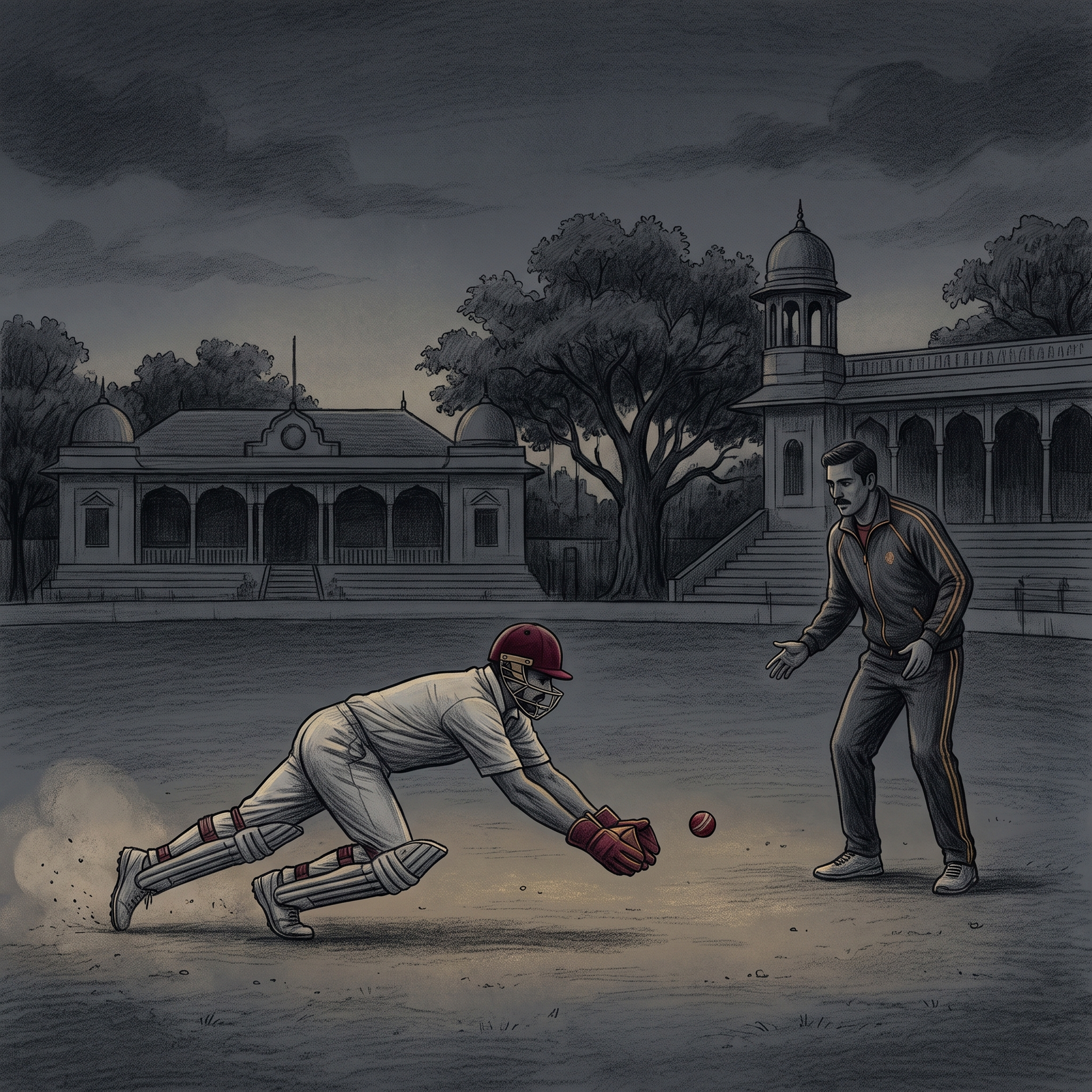
A specialist coach looks at your bowling action or batting stance and immediately spots the muscle groups that need attention. They understand why a fast bowler needs eccentric hamstring work and why a wicketkeeper needs explosive lateral movement drills. That kind of targeted programming saves you months of trial and error.
General trainers sometimes dismiss cricket as low-conditioning. The irony is that cricket places enormous metabolic stress in short windows. Between overs, between wickets, and during fielding sprints, your body is repeatedly pushed into anaerobic territory. A coach who understands this structures sessions around those exact demands.
Key
point: A cricket-specialized trainer does not simply make you fitter in general. They make you fitter for the specific demands of batting, bowling, and fielding at your level of play.
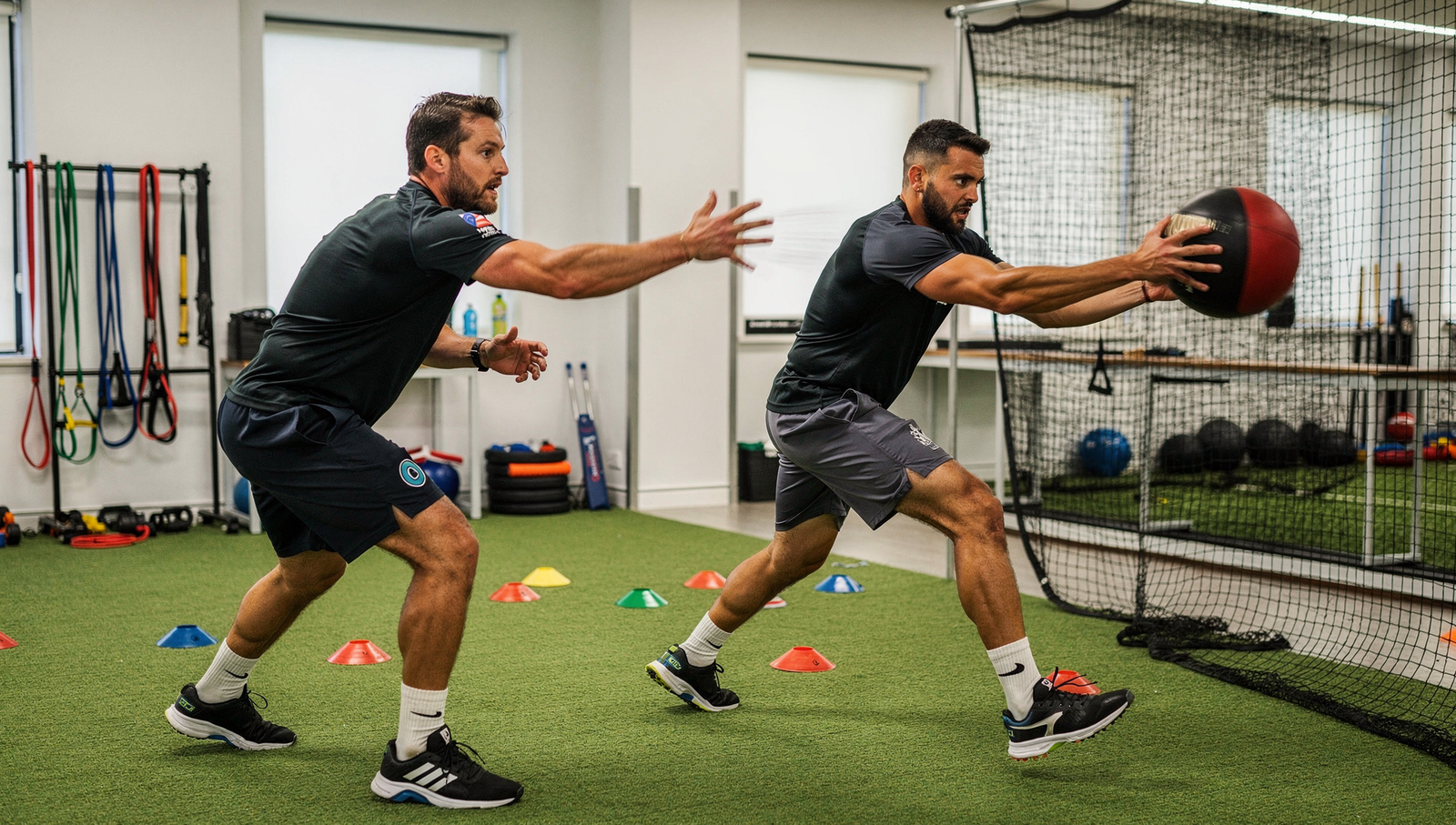
Fitness training image 1
Credentials and Experience That Actually Matter
Look past the Instagram feed and check what is behind the certification. The most reliable cricket fitness coaches in Delhi have a combination of formal qualifications and real field experience. Look for a certified strength and conditioning qualification (CSCS, S&C, or equivalent) alongside documented work with cricket players.
A trainer who has worked with D.D.C.A. academy players,
school-level teams, or local club circuits in Delhi will understand the scheduling pressures young cricketers face here. Delhi has a packed tournament calendar from October through March, and your training plan needs to work within that timeline.
Ask potential coaches about their experience with injury rehabilitation. Cricket injuries follow predictable patterns: rotator cuff strains, lower back stress, hamstring tears, and knee valgus in fast bowlers. A coach who can identify early warning signs and program around them is worth far more than someone who simply pushes intensity.
If you want a deeper look at what separates a capable trainer from one that is not a fit for your goals, our guide on how to choose a personal trainer in Delhi breaks down the full vetting process with local context.
The Fitness Qualities Ever
y Cricketer Needs
Cricket fitness sits at the intersection of speed, power, and endurance. Here are the core qualities your coach should be targeting:
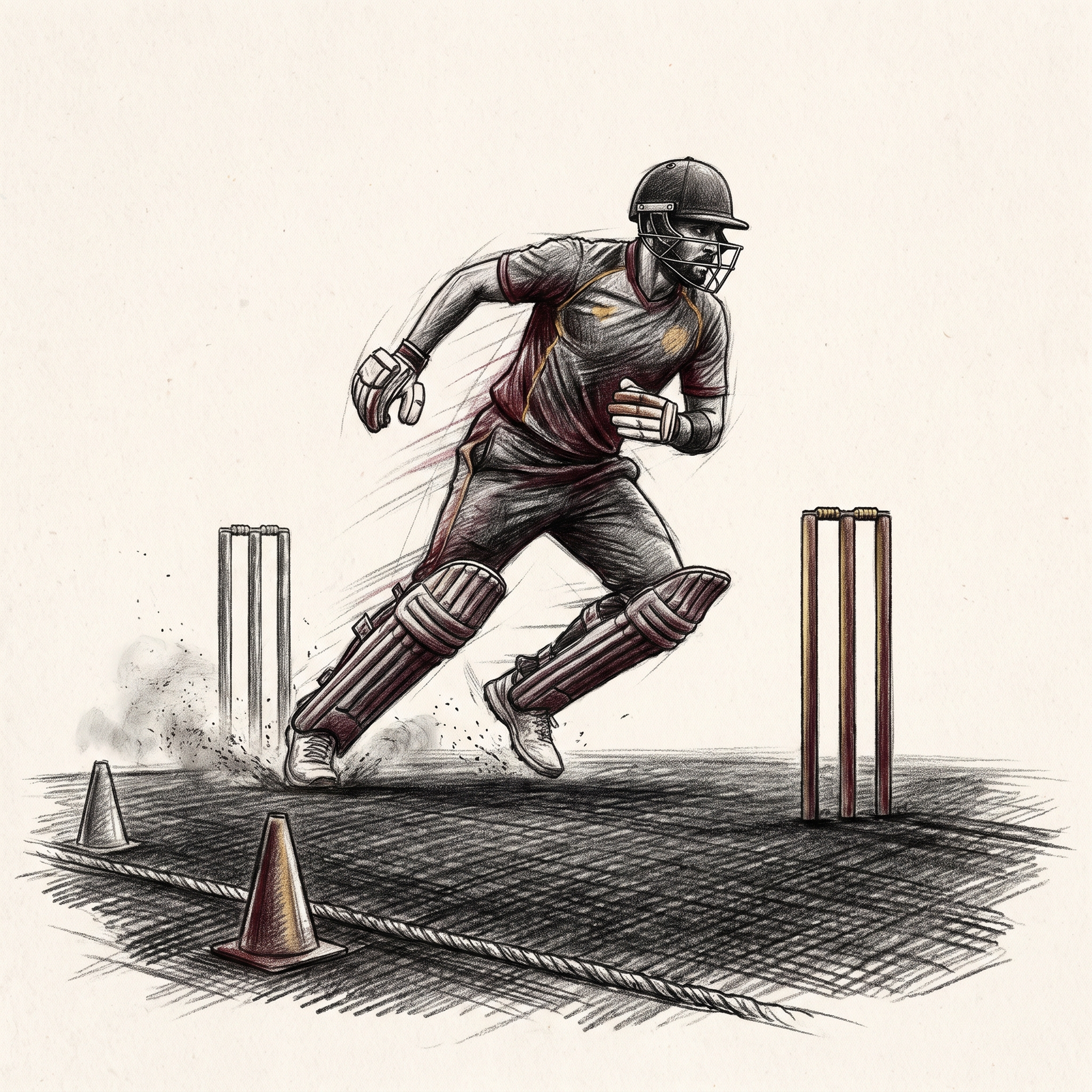
Explosive sprint speed – Between the wickets and across the outfield, you need acceleration over 10 to 30 meters
Repeated sprint ability – Fielding demands multiple sprints in short succession with incomplete recovery
Rotational power – Batting generates huge torque through the core; weak rotation shows up as reduced hitting distance
Shoulder resilience – Bowlers and throwers accumulate micro-damage that needs proactive management
Hamstring eccentric strength – The most common soft tissue injury in cricket comes from deceleration and sudden direction change
Core stability under fatigue – Technique breaks down late in a session or match; a strong core delays that breakdown
A coach who ignores any of these areas is giving you an incomplete program. Every quality connects to the others, and missing one creates a weak point that will show up in match conditions.
How to Evaluate a Trainer Before You Commit
Do not sign up for a package before you have experienced an actual session. Here is a practical evaluation framework:
1. The Assessment Session
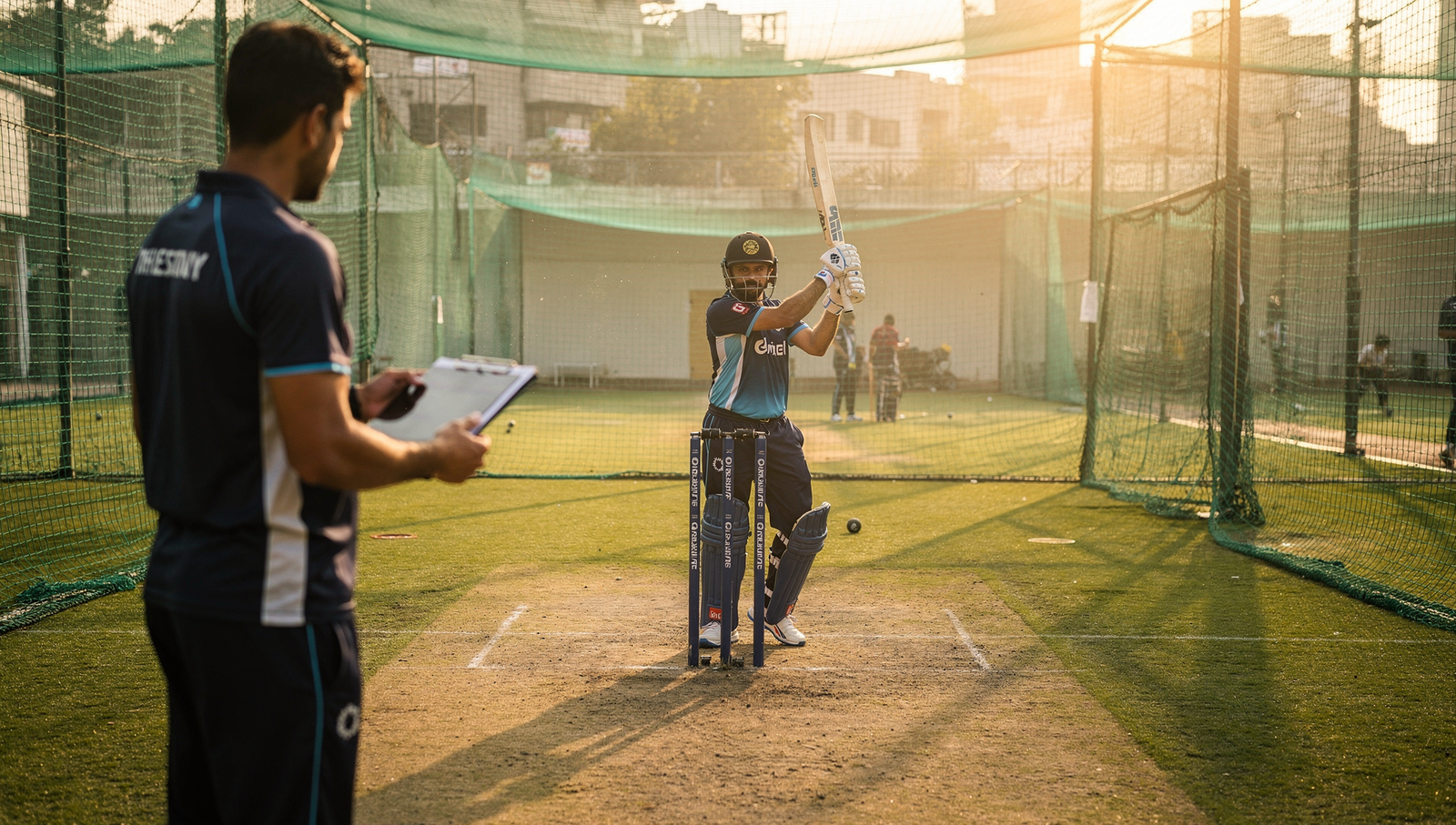
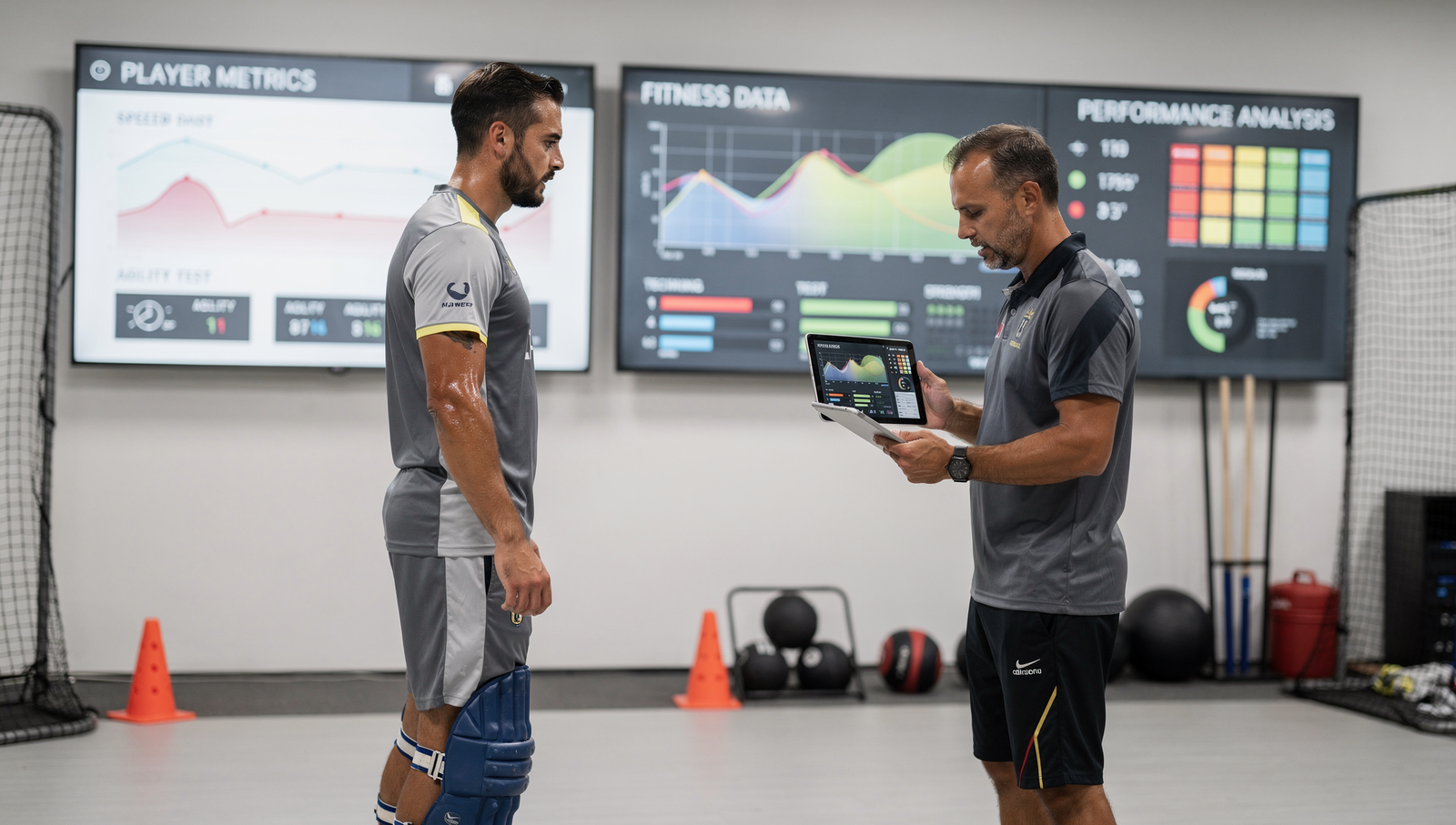
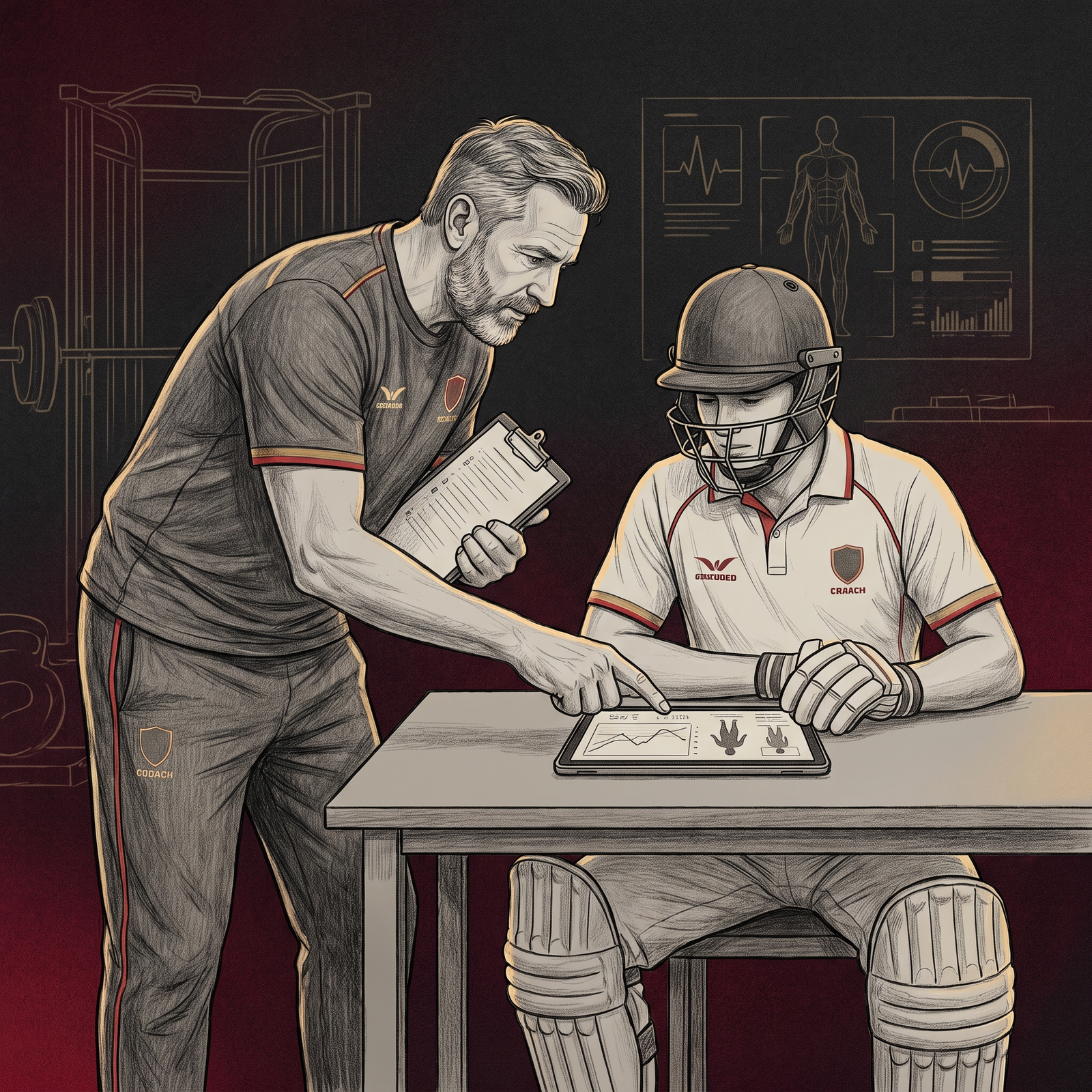
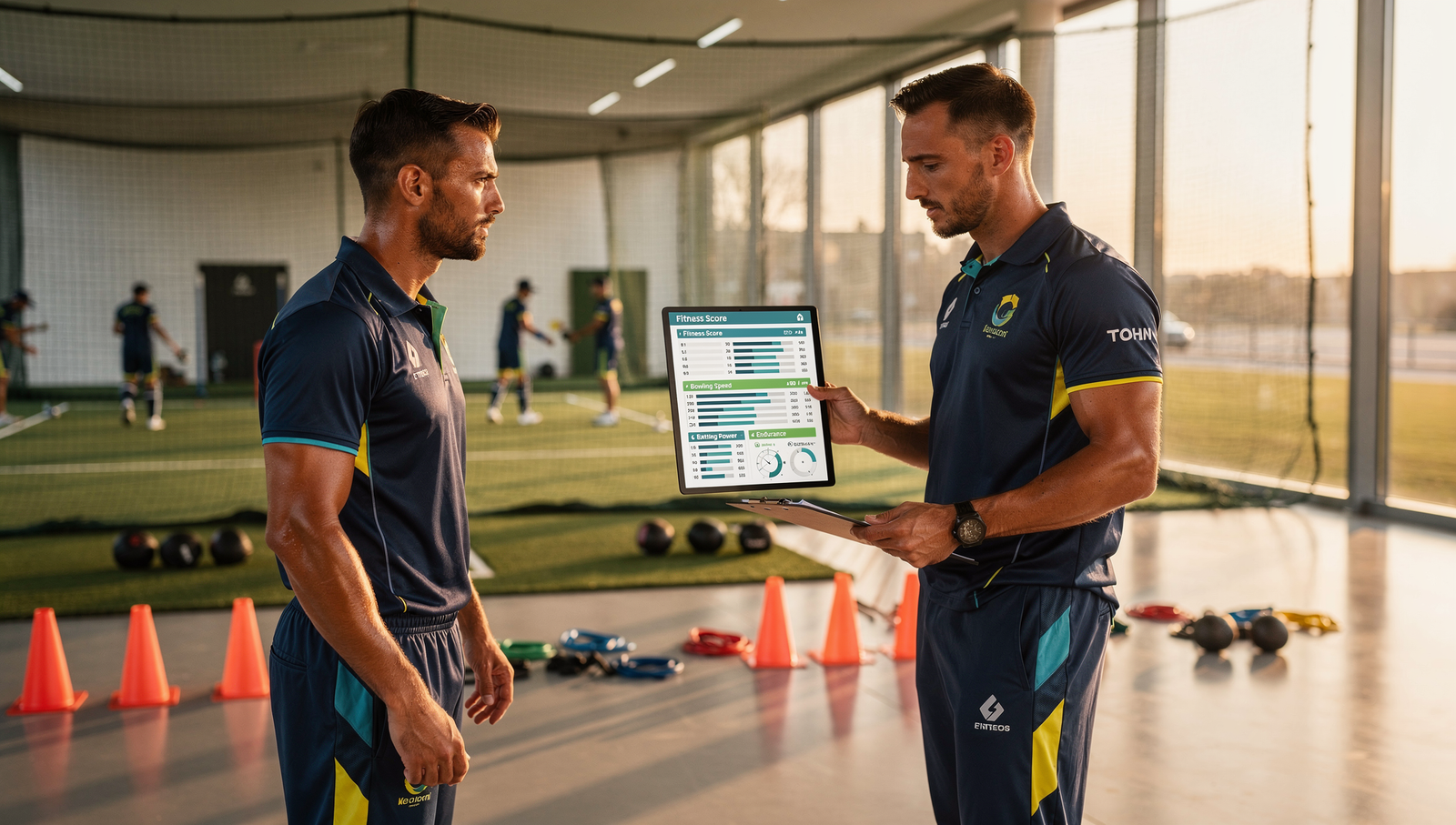
A serious coach starts with an assessment. This should cover movement screening, baseline conditioning tests, and a conversation about your cricketing background, current injuries, and goals. If a coach jumps straight into a hard workout without any assessment, that is a red flag.
2. Programming Transparency
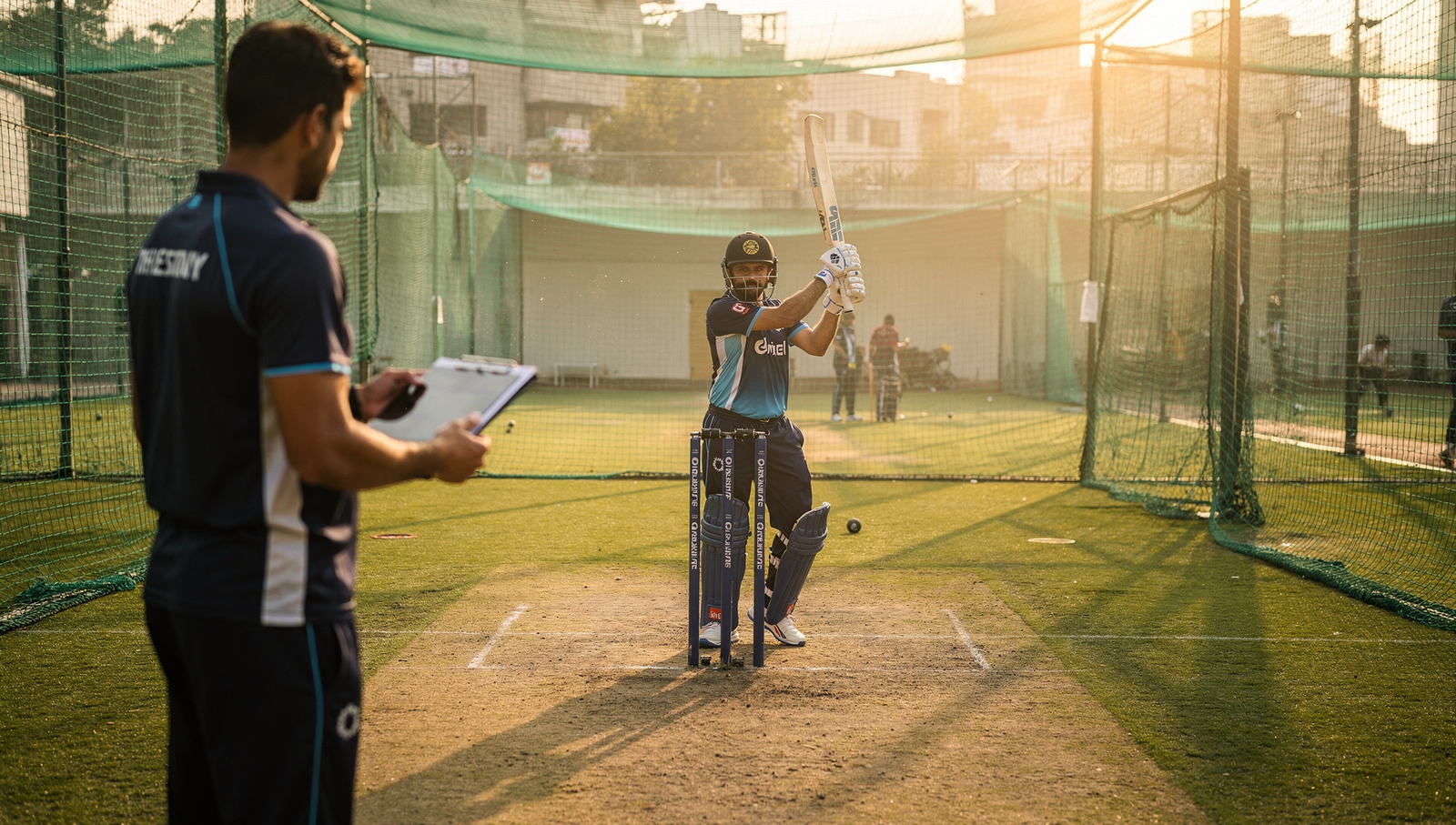
Ask to see a sample weekly plan. You should be able to understand the logic behind each exercise. A good coach can explain why a particular drill matters for your cricket performance in plain language. If the answer sounds like generic fitness jargon, keep looking.
3. Session Structure
Watch how a session flows. Warm-up should be specific to your sport, not a generic jog. Main work should progress logically from strength to power to conditioning. Cool-down should address recovery and movement restoration. A coach who runs random high-intensity circuits without structure does not have a long-term plan for your development.
78%
of cricket injuries in amateur players in Delhi are preventable with structured strength and conditioning work done consistently over a pre-season period
Fitness training image 2
Training Locations and Facilities in Delhi
Delhi has a wide range of training environments, and your coach should be able to work within the one that suits your schedule. Some coaches train out of established gyms in areas like Saket, Vasant Kunj, and Dwarka. Others operate out of smaller functional training spaces near cricket academies in the D.D.C.A. complex and surrounding neighborhoods.
The best training environments for cricket-specific work have space for movement drills, adequate flooring for landing mechanics, and equipment for loaded resistance training. A coach who is willing to come to your grounds or home setup is a significant advantage, especially during tournament season when travel time matters.
If you are interested in a full picture of how structured fitness training fits into an athlete’s broader plan in Delhi, our article on sports performance training in Delhi covers the framework used by coaches working with competitive athletes across multiple disciplines.
Red Flags to Watch For
Some trainers are not right for cricket players, no matter how fit they look. Here is what to avoid:
No assessment protocol: If the coach does not measure your starting point, they cannot track real progress
Generic programming: If the same program is used for every client regardless of sport, you are not getting cricket-specific training
Ignores injury history: A coach who dismisses past shoulder or back issues and pushes full intensity is risking your long-term health
No communication about scheduling: Tournament load in Delhi changes your availability. A good coach adapts the plan accordingly
Overemphasis on aesthetics: Cricket fitness is about function, not how you look in a mirror
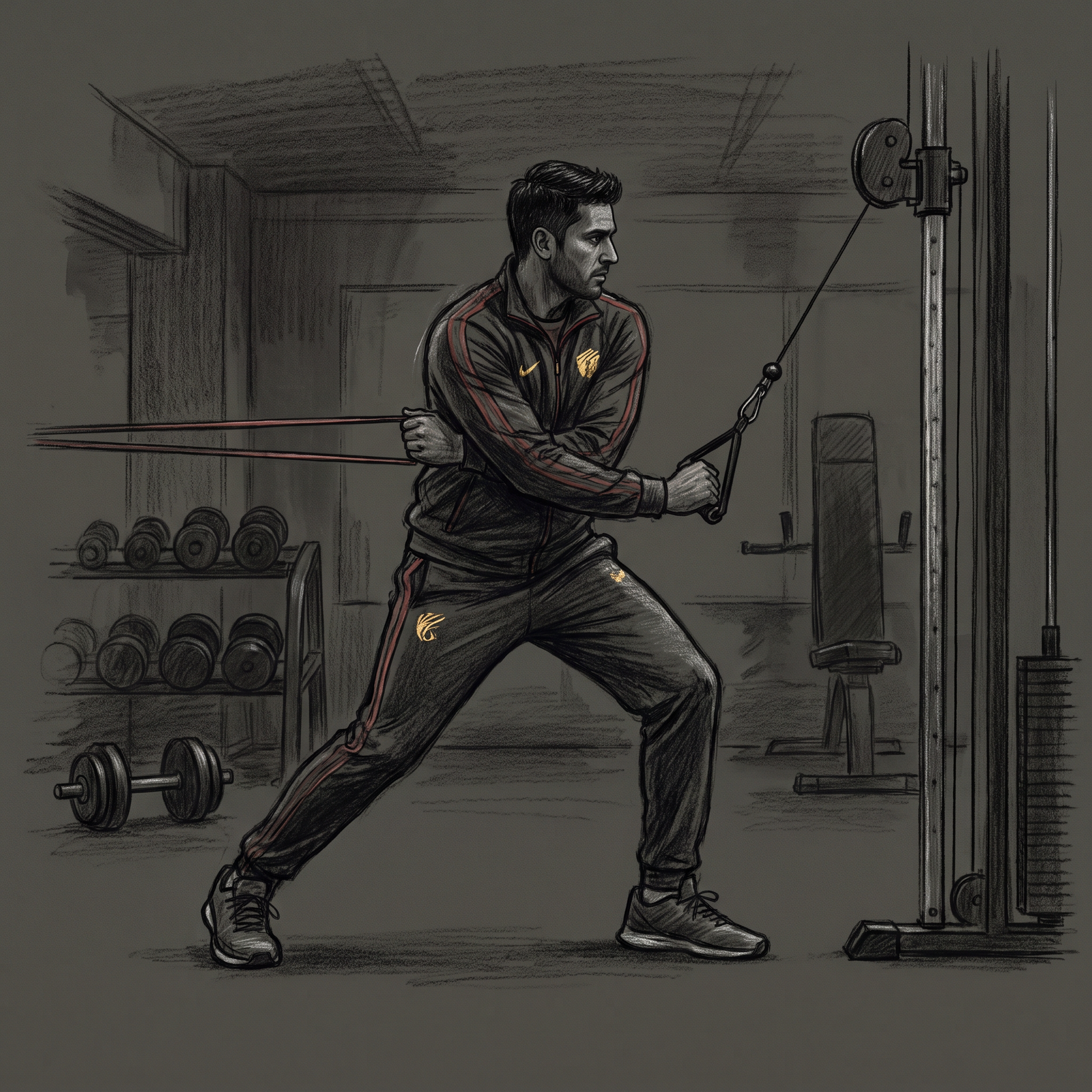
Fitness training image 3
How a Specialist Cricket Fitness Program Looks
A properly structured program with a cricket fitness coach delhi athletes trust typically runs in phases. The pre-season phase builds strength and addresses movement gaps. The in-season phase maintains conditioning while managing fatigue. The post-season phase focuses on recovery, mobility, and any injury rehab work.
Within each phase, sessions should be 45 to 75 minutes long depending on the day’s focus. A typical week might include two strength sessions, one power and speed session, one conditioning block, and one active recovery or mobility session. The exact breakdown changes based on whether you are bowling, batting, or keeping as your primary role.
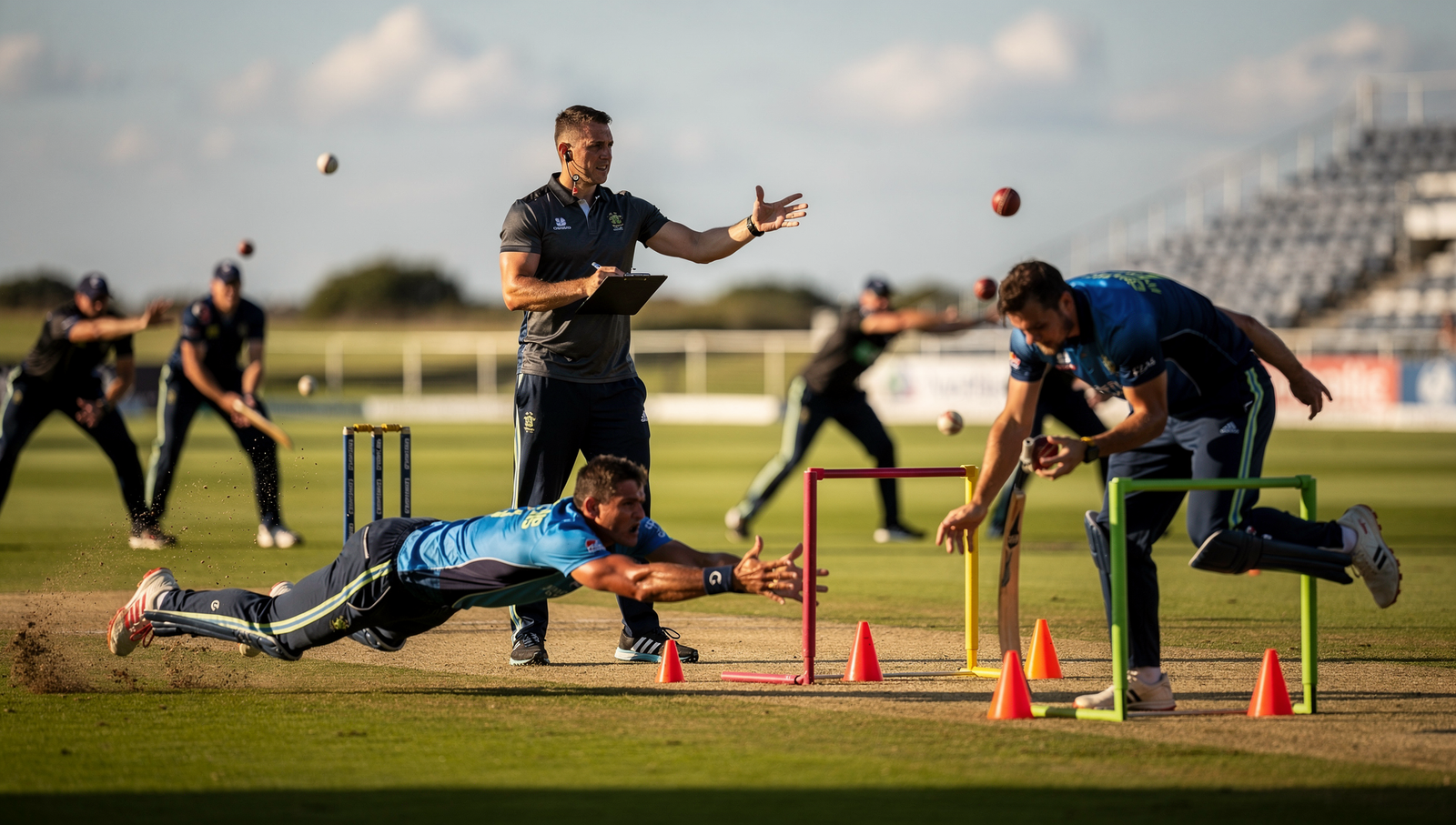
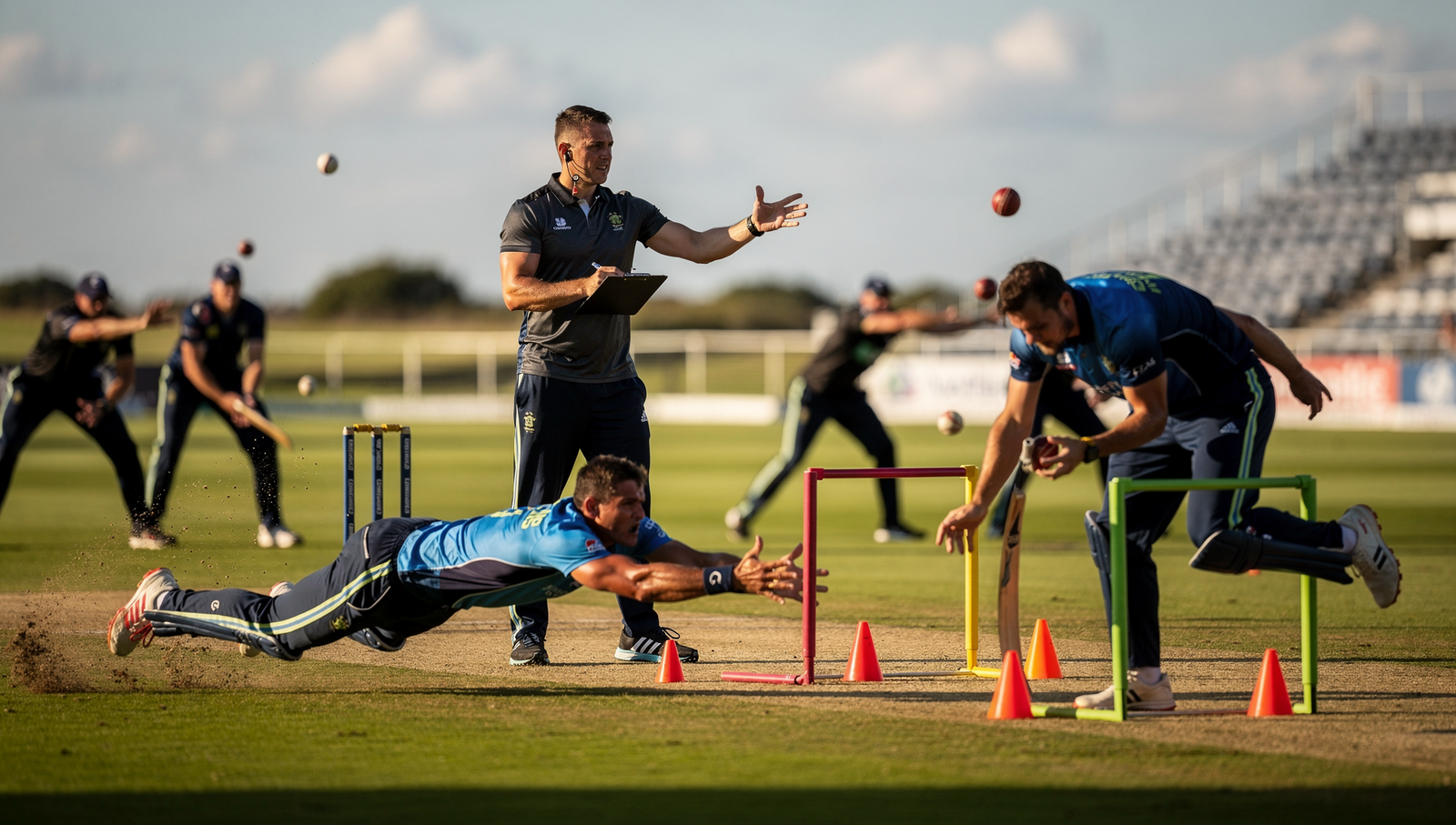
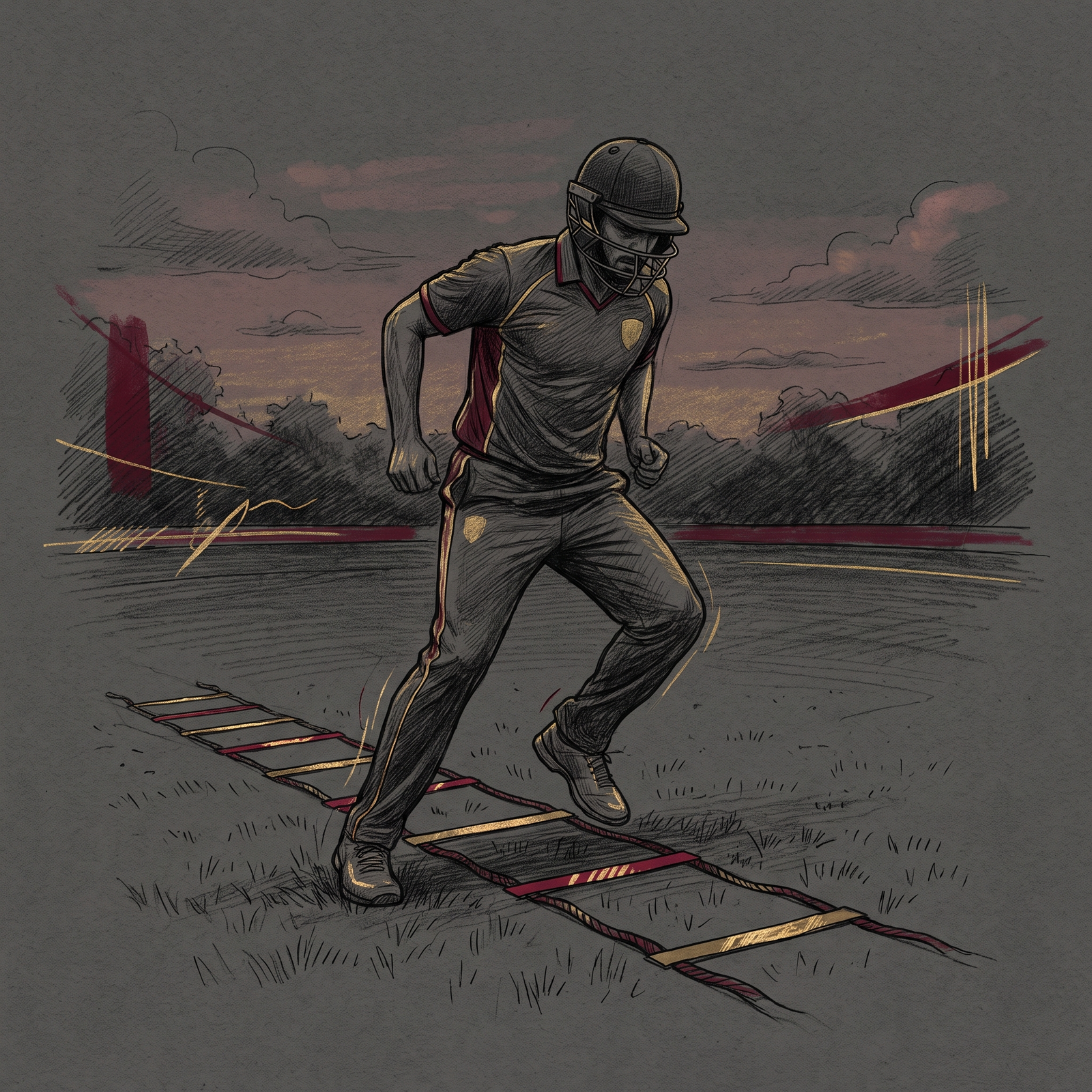
The goal is not simply to make you tired. Every drill should serve a purpose that transfers to your cricket. Medicine ball rotational throws translate to hitting power. Single-leg Romanian deadlifts build the deceleration strength that prevents hamstring injuries. Reactive agility drills prepare you for the unpredictable movements required in the field.
Finding the right cricket fitness coach in Delhi does not happen by accident. It requires you to be clear about your goals, honest about your injury history, and deliberate in how you evaluate potential coaches. Start by identifying coaches who have documented experience with cricket players specifically, not just athletes in general.
Once you have a shortlist, book assessment sessions with two or three coaches before making a decision. Pay attention to how they communicate, how they structure the assessment, and whether their programming philosophy makes sense for your role and level of play. The coach you choose will have a direct impact on how long you stay injury-free and how much your performance improves over a season.
The right coach is an investment in your cricket career, not an expense. Over a two or three season window, the gap between a cricketer with structured coaching and one without becomes very obvious in terms of both performance and physical longevity.
Fitness training image 4
Frequently Asked Questions
How much does a cricket fitness coach cost in Delhi?
Session rates vary depending on the coach’s experience, qualifications, and whether sessions are at a gym, your home, or a cricket ground. Monthly packages typically range from INR 4,000 to INR 15,000 depending on session frequency. Ask coaches for clear pricing structures before committing.
How long does it take to see results from cricket-specific training?
Most players notice improved movement quality and reduced soreness within three to four weeks. Measurable performance improvements in sprint times, power output, and endurance usually appear within eight to twelve weeks. The key is consistent attendance and following the program outside of coached sessions.
Should I train separately from my cricket practice?
Yes. Cricket practice develops your skill, timing, and game awareness. Strength and conditioning training develops the physical qualities that support those skills. The two complement each other, but they serve different purposes. On heavy practice days, your coach should adjust the conditioning load accordingly.
Can online cricket fitness coaching work effectively?
Online coaching can work well for strength programming, exercise technique review, and conditioning plans if you have basic equipment at home. It works best when you are already familiar with proper form. For players new to structured training, in-person coaching for the first six to eight sessions is strongly recommended.
What should I bring to my first assessment session?
Wear comfortable athletic clothing and indoor shoes suitable for the training space. Bring any medical reports related to past injuries, particularly shoulder, back, or knee issues. Come prepared to discuss your cricket role, current playing level, tournament schedule, and specific performance goals you want to work toward.
How do I know if my coach is right for my level of cricket?
A coach should be working with players at or above your current level. If you are a school-level batsman and the coach’s client list is exclusively elite domestic players, their programming may not match your time availability or recovery capacity. The right coach meets you where you are and builds a realistic path forward.
About the Author
Richi Singh — Certified Personal Trainer, Delhi
With over 12 years of coaching experience, Richi Singh specializes in weight management,
sports conditioning, and corporate wellness. He has trained celebrities, athletes, and everyday clients
across Delhi, combining assessment-driven programming with nutrition guidance for lasting results.
With over 12 years of coaching experience, Richi Singh specializes in weight management, sports conditioning, and corporate wellness. He has trained celebrities, athletes, and everyday clients across Delhi, combining assessment-driven programming with nutrition guidance for lasting results.