
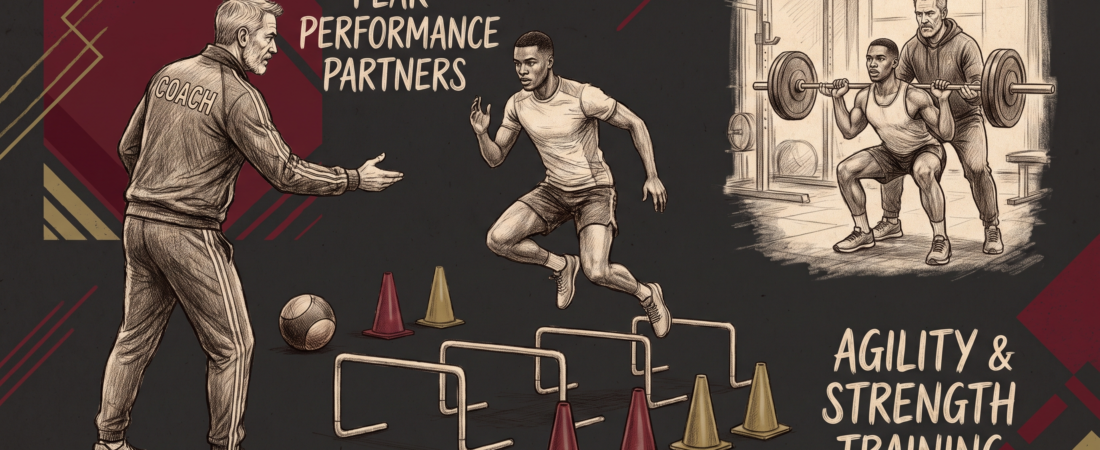
If you are an athlete in Delhi looking to take your performance to the next level, you have probably heard the term sports conditioning coach thrown around at gyms, academies, and sports clubs. But what does this professional actually do — and why are they becoming essential for serious athletes across the city?
In this guide, we will break down everything a sports conditioning coach in Delhi brings to the table, how their role differs from a regular trainer, and what you can realistically expect when you hire one. Whether you are a cricketer chasing a Ranji spot, a footballer prepping for a club trial, or a track athlete targeting state-level meets, this article will help you make an informed decision.

What Is a Sports Conditioning Coach, Really?
A sports conditioning coach is a specialist who focuses on preparing an athlete’s body to handle the specific demands of their sport. Unlike a general fitness trainer who might design a one-size-fits-all workout plan, a conditioning coach builds programs around movement patterns, energy systems, and injury risks specific to your sport.
In Delhi’s competitive sports ecosystem — from the Delhi Development Authority (DDA) sports complexes to private academies in Vasant Kunj, Saket, and Dwarka — conditioning coaches are in high demand. Athletes are realizing that raw talent alone is not enough. You need a body that can withstand intensity, recover fast, and perform consistently.
Richi Singh, a seasoned personal fitness trainer in Delhi with over a decade of experience, puts it this way: “Conditioning is the foundation. You can have the best skill coach in the world, but if your body breaks down under pressure, nothing else matters.”
Core Responsibilities of a Sports Conditioning Coach in Delhi
The role of a sports conditioning coach goes well beyond writing workout plans. Here is what you should expect:
1. Movement Quality Assessment
Before any programming begins, a good coach assesses your movement patterns. This includes screening for asymmetries, mobility restrictions, and strength imbalances. In Delhi’s dry, dusty conditions, athletes often develop tight hip flexors and rounded shoulders from extended sitting — issues that a conditioning coach identifies and corrects early.
2. Sport-Specific Energy System Training
Every sport taxes your body’s energy systems differently. A cricketer needs explosive power for the crease and endurance for long sessions. A footballer needs repeated sprint ability. A sports performance coach in Delhi tailors conditioning to match these specific demands, rather than sending you on a generic five-kilometre run that does not translate to your sport.
3. Injury Prevention Programming
Injury is the number one performance killer for Delhi athletes. Whether it is a hamstring tear on the cricket field or an ACL injury on the football pitch, the right conditioning work significantly reduces these risks. A conditioning coach programs prehab exercises — single-leg stability, landing mechanics, core anti-rotation work — that build resilience.

4. Strength Development Tied to Performance
Conditioning coaches do not just make you stronger. They make you stronger in ways that matter for your sport. If you are a sprinter, that means building posterior chain power through deadlifts, Romanian deadlifts, and hip thrusts. If you are a tennis player, rotational power through medicine ball throws. The goal is always transfer to sport.
How Sports Conditioning Differs From Regular Personal Training in Delhi
This is a common point of confusion. A personal trainer in Delhi can certainly help you get fitter. But a sports conditioning coach operates at a different level of specificity.
Consider these key differences:
- Goal orientation: A regular trainer might target general weight loss or muscle gain. A conditioning coach targets sport-specific performance metrics — sprint time, vertical jump height, change-of-direction speed.
- Programming periodization: Conditioning coaches periodize training around your competition calendar. Pre-season is different from in-season, which is different from off-season.
- Recovery integration: Recovery is not an afterthought. Conditioning coaches incorporate deload weeks, active recovery sessions, and monitoring tools like heart rate variability.
- Communication with coaches: Many elite conditioning coaches in Delhi work alongside skill coaches, physiotherapists, and nutritionists to create a unified performance plan.
The Delhi Advantage: Why Local Expertise Matters
Delhi presents unique challenges for conditioning work. The extreme summer heat (often touching 45 degrees Celsius) means outdoor sessions need to be carefully timed. The pollution levels in certain parts of the city require indoor conditioning alternatives. A coach who understands these local constraints will program accordingly, rather than applying a generic template.
Additionally, Delhi’s sports infrastructure — from the SPM Stadium in Sector 7 Rohini to the Thyagaraj Sports Complex — offers varied training environments that a knowledgeable conditioning coach can leverage.

When Should You Hire a Sports Conditioning Coach?
Not every athlete needs a dedicated conditioning coach. Here are the situations where it makes the most sense:
- You are training for a specific competition: State-level meets, national championships, or club trials where peak performance at a specific date matters.
- You have a history of recurring injuries: If the same muscle group keeps giving out, a conditioning coach can address the root cause.
- You have plateaued: If your performance has not improved despite regular training, a conditioning coach will identify the limiting factor.
- You are transitioning levels: Moving from club cricket to district level, or from amateur football to semi-pro, requires a step-change in your physical preparation.
Nutrition and Recovery: The Supporting Pillars
Conditioning is not just about the gym. A well-rounded sports conditioning coach in Delhi will guide you on nutrition and recovery protocols that support your training load.

On the nutrition side, that means adequate protein for muscle repair, carbohydrate periodization around training sessions, and hydration strategies that account for Delhi’s climate. On recovery, it means sleep hygiene, active recovery protocols, and knowing when to push and when to pull back.

What to Look for in a Delhi-Based Conditioning Coach
When evaluating a sports conditioning coach in Delhi, look for these credentials:
- Relevant certifications: CSCS (Certified Strength and Conditioning Specialist), ASCA (Australian Strength and Conditioning Association), or equivalent qualifications from recognized bodies.
- Sport-specific experience: A coach who has worked with cricketers will understand cricket-specific demands differently from one who has worked with track athletes.
- Track record: Ask for testimonials or references from athletes they have worked with at your level or higher.
- Assessment approach: Avoid coaches who jump straight to programming without an initial assessment. The best coaches diagnose before they prescribe.
The Cost of Sports Conditioning Coaching in Delhi
Pricing for sports conditioning coaching in Delhi varies based on experience, session frequency, and the coach’s clientele. One-on-one sessions typically range from INR 1,500 to INR 4,000 per session, while group conditioning programs cost less per person but offer less individualization.
For athletes serious about performance, the investment pays for itself in reduced injury risk and measurable performance gains. A single missed tournament due to injury can cost far more than months of structured conditioning.
Frequently Asked Questions
How long does it take to see results from sports conditioning?
Most athletes notice improvements in movement quality and energy levels within 4-6 weeks. Performance gains typically show at the 8-12 week mark, assuming consistent attendance and proper nutrition.
Do I need a conditioning coach if I already have a regular trainer?
If you are training for general fitness, a regular trainer is sufficient. If you are competing at any meaningful level, a conditioning coach brings sport-specific expertise that general trainers typically lack.
Can sports conditioning help with an existing injury?
A conditioning coach can help with injury rehabilitation in coordination with a physiotherapist. For acute injuries, always consult a medical professional first. Conditioning coaches excel at injury prevention and prehab — keeping you healthy in the first place.
Ready to Take Your Performance Seriously?
Whether you are an aspiring cricketer, a competitive footballer, or a track athlete chasing your personal best, the right conditioning coach can be the difference between staying at your current level and breaking through. Delhi has world-class coaching talent available — the question is whether you are ready to access it.
Richi Singh offers personalized sports conditioning programs through online fitness training and in-person sessions across Delhi. With a focus on athlete-specific programming, injury prevention, and measurable performance outcomes, his approach is built around real-world results. See transformation stories from athletes who have worked with him.

About the Author
Richi Singh — Certified Personal Trainer, Delhi
With over 12 years of coaching experience, Richi Singh specializes in weight management, sports conditioning, and corporate wellness. He has trained celebrities, athletes, and everyday clients across Delhi, combining assessment-driven programming with nutrition guidance for lasting results.