

What Small Group Personal Training Actually Is

Small group personal training is a coached session for three to six people with similar fitness levels and goals. The trainer designs a shared workout framework, demonstrates exercises, corrects form, and adjusts intensity for each participant. You get professional guidance at a per-person cost well below a private session.
A typical session runs 45 to 60 minutes. Groups in Delhi are usually organized by goal or fitness level, so you train alongside people with similar starting points. Many trainers in Rajouri Garden, Dwarka, and Saket run small group packages with weekly programming and periodic reassessments. If you want a broader overview of training formats in Delhi, see our guide to personal fitness training services in Delhi.

How It Differs From 1-on-1 and Large Group Classes
One-on-one training gives you the full session attention of a trainer. They correct your form in real time, adjust weights as you fatigue, and swap exercises on the spot if something bothers a joint. This format works well for injury rehabilitation, sport-specific training, or anyone who prefers close attention.
Private sessions in Delhi usually run between 800 and 3,000 rupees per session. That investment buys you a fully customized experience, but it puts training out of reach for many people who want professional guidance.
Large group classes flip the equation entirely. A trainer leads thirty or forty people through the same choreography. The energy is high and the cost is low, but individual attention is minimal.

You are one face in a crowd, and form corrections are rare. This format suits people who are already comfortable with basic movement patterns and respond well to group energy. If you are new to training or have movement limitations, a large class will not give you the support you need.
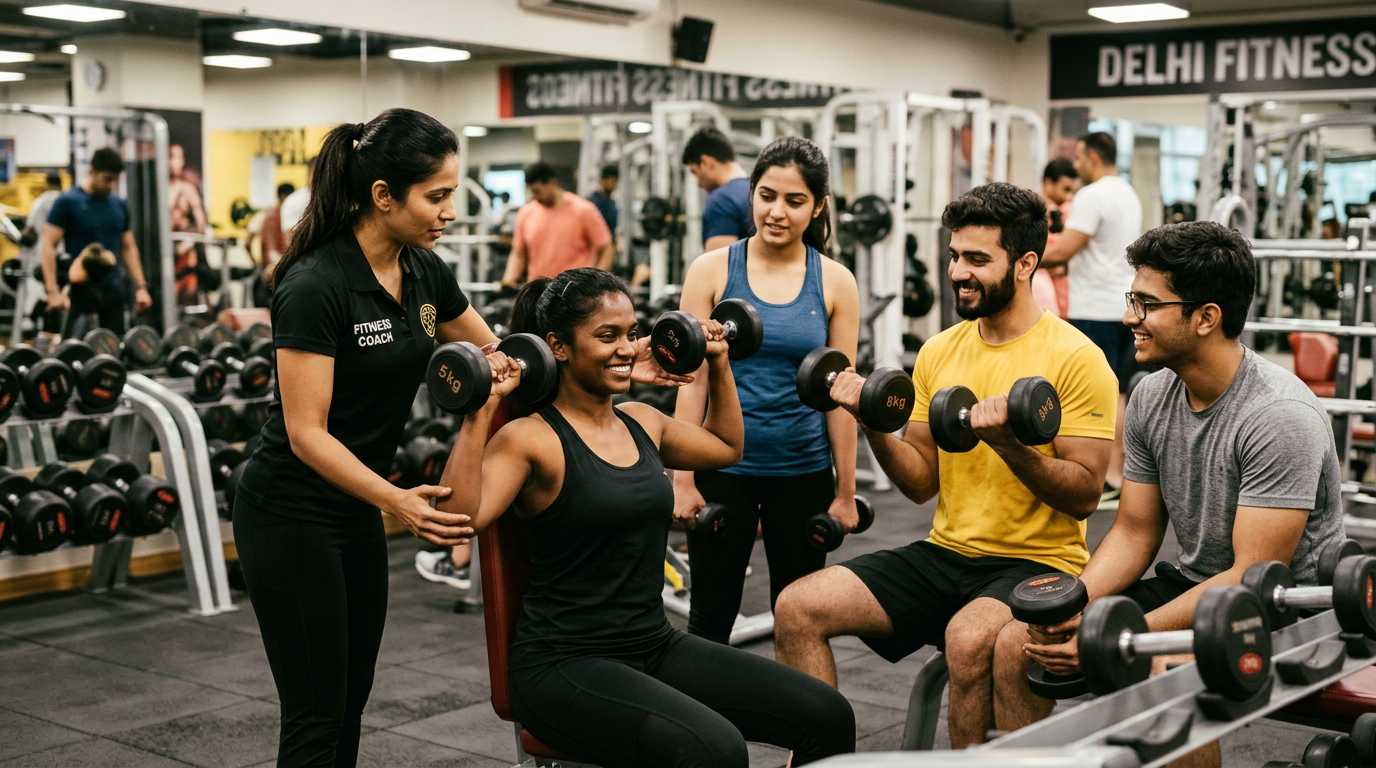
Small group training sits between the two. You get more attention than a large class and pay less than one-on-one training. The trainer rotates between participants, giving corrections and spotting on key lifts.
You have accountability from real people who know your name and notice when you skip a session. For guidance on evaluating whether this format matches your needs, read our article on how to choose a personal trainer in Delhi.
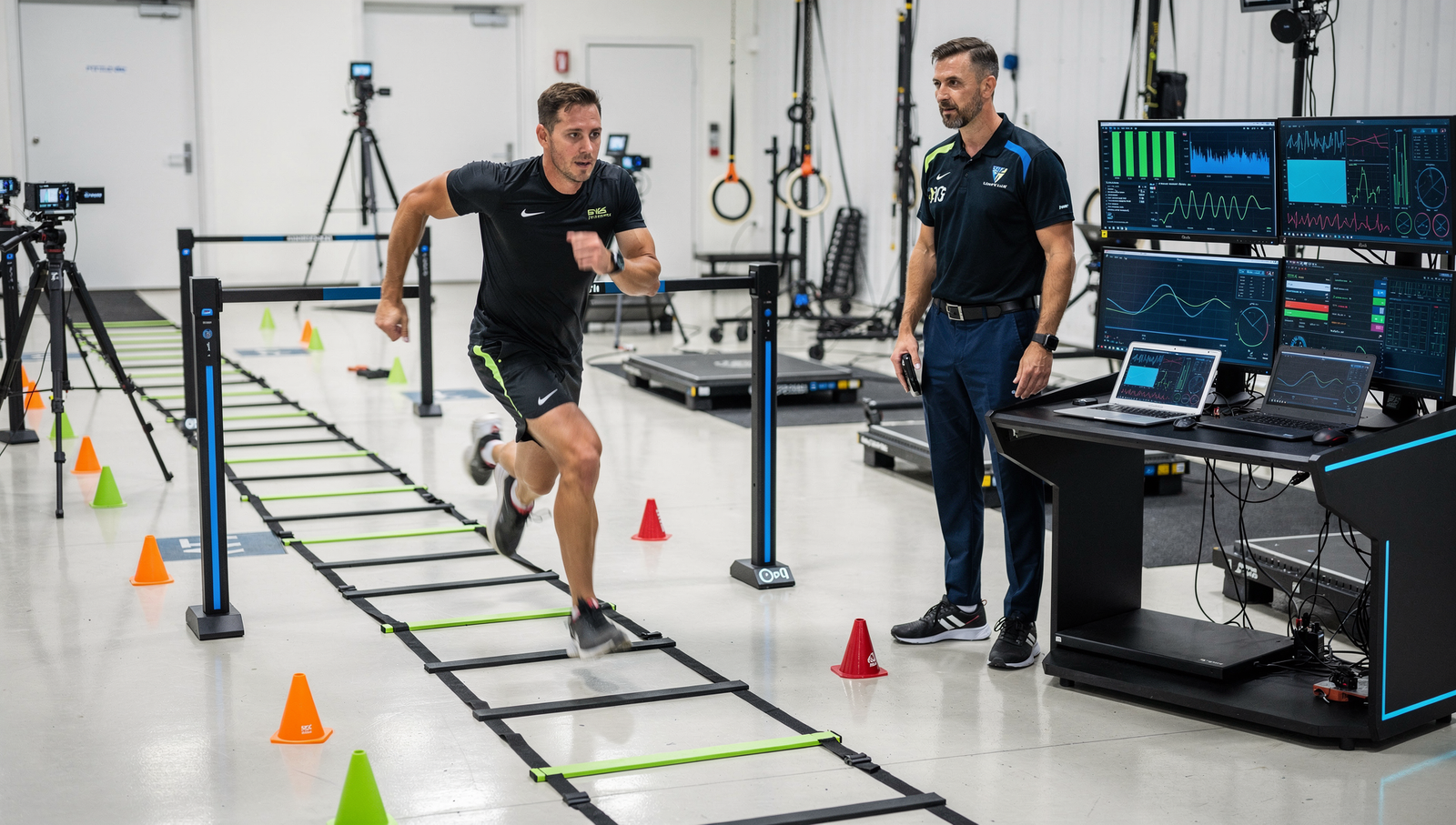
The Benefits
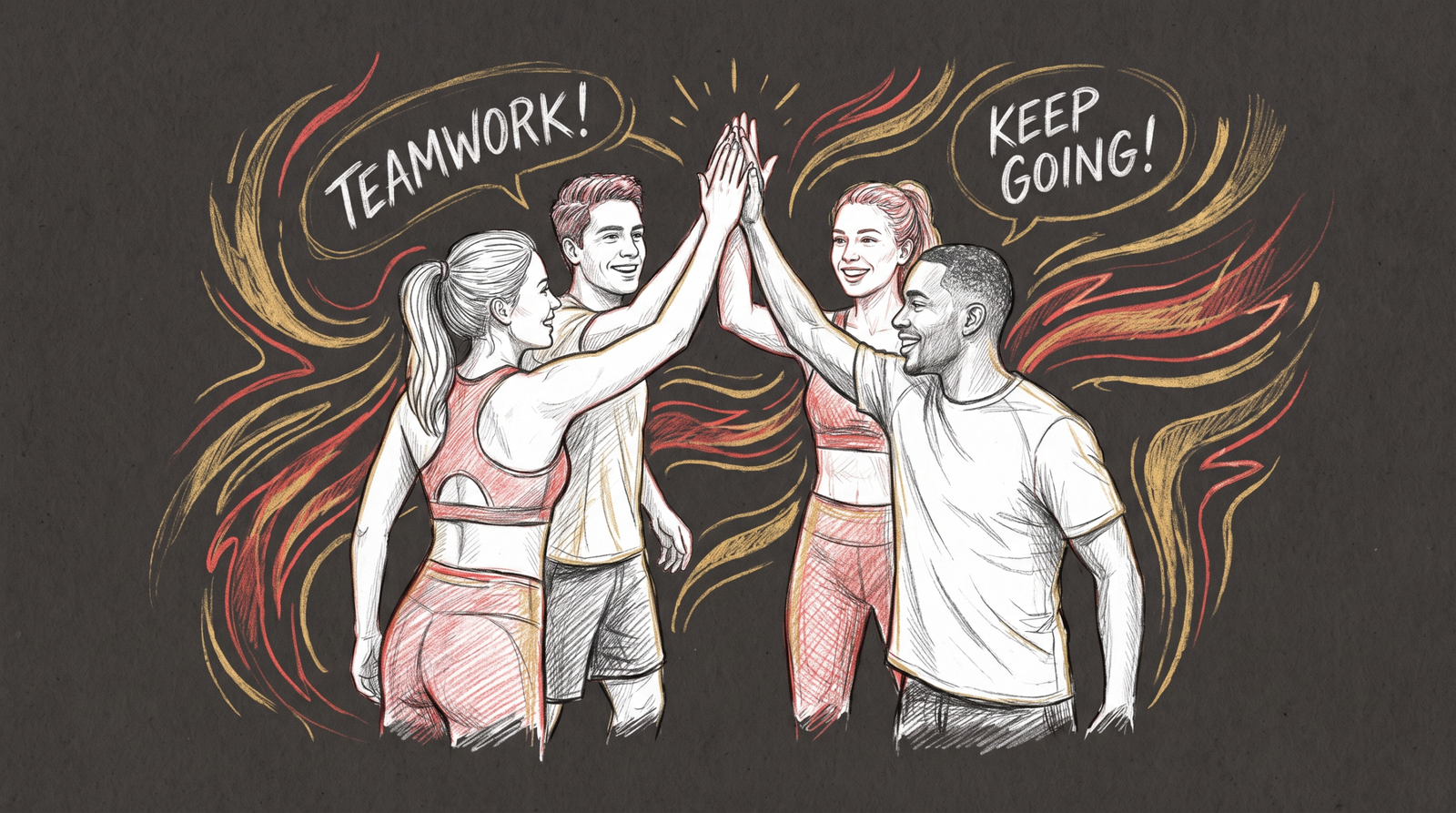
Cost
Small group sessions cost between 500 and 1,000 rupees per person in most Delhi setups. That is 40 to 60 percent less than a one-on-one session with the same trainer.
Over a month of twice-weekly sessions, the savings add up to several thousand rupees compared to private coaching. Monthly packages bring the per-session cost down even further, often by another 20 to 30 percent.
Motivation
Showing up to a session where people expect you is different from showing up to a gym where no one notices your absence. Exercise psychology consistently shows that social accountability is one of the strongest predictors of training consistency.

You push harder during a finisher when the person next to you is still moving. You show up on days when your motivation is low because you know the group is counting on you.
Social Aspect
Training alongside the same people week after week builds a sense of community. You share struggles, celebrate improvements, and hold each other accountable.
For people who find commercial gyms intimidating, this environment can change the entire experience of working out. The gym stops being a place you endure and starts being a place you belong.

Accountability
A trainer who knows your goals and checks your progress every week creates a feedback loop that keeps you honest. You measure real improvement, not just how you felt after a session.
That clarity keeps people engaged far longer than the typical three-month membership cycle. When your trainer notices your squat depth has improved or your push-up count has gone up, that recognition reinforces the behavior that got you there.
Ideal Group Size and Session Structure
The sweet spot for small group training is three to six people. Groups of three to four let the trainer spend meaningful time with each participant. Groups of five to six keep costs lower while still allowing rotation through everyone during a session.
Groups larger than seven start to lose what makes the format different from a large class. Individual attention drops, and the experience shifts toward a generic workout. If you are choosing between a group of four and a group of eight, the smaller group will deliver a better coaching experience.
Most trainers organize groups by goal or fitness level. You might find a weight loss group, a strength fundamentals group, or a group designed for people returning after a break. Shared goals make programming more coherent and improve the group dynamic.
You are not the only person in the room learning how to deadlift, and that matters more than you might expect. Training alongside people with similar starting points reduces the self-consciousness that keeps many beginners from continuing.
A typical session includes a shared warm-up, a main workout block with individual scaling options, and a cool-down. The trainer demonstrates exercises, moves between participants to correct form, and adjusts intensity throughout. You are not doing a completely custom workout, but you are not doing the exact same thing as everyone else either.
Two sessions per week gives most people enough stimulus to improve without burning out. Three sessions per week is a good target if you want faster progress and can handle the recovery demand. If you can only commit to one session, small group training still works well. Pair it with independent movement like walking, cycling, or bodyweight work on the other days. Consistency beats intensity over the long term.
Typical Cost Compared to 1-on-1 in Delhi
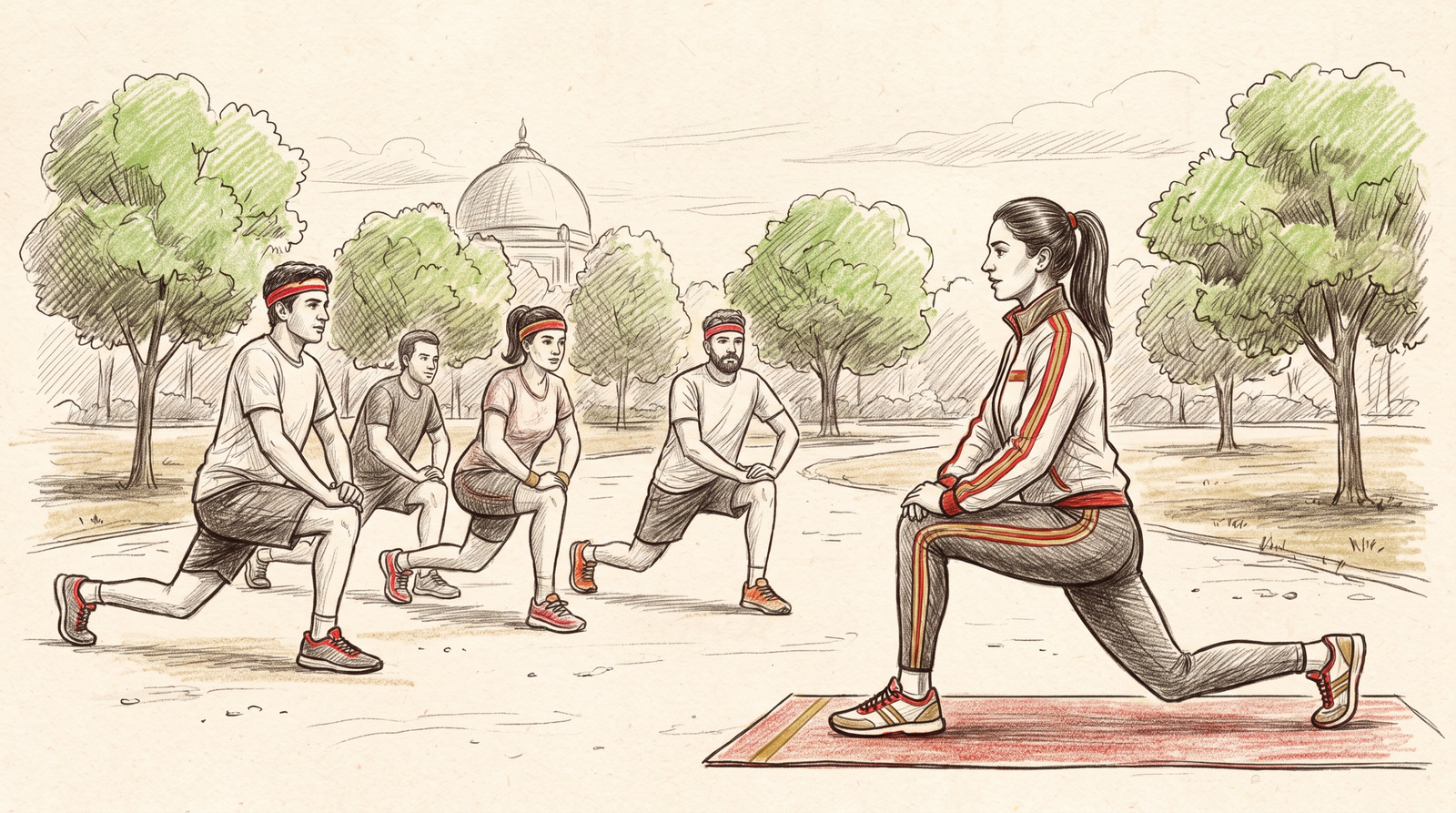
Pricing in Delhi varies by trainer credentials, group size, session duration, and location. Trainers in Saket and Vasant Kunj tend to charge at the higher end. Trainers in Dwarka and Rajouri Garden often offer more affordable packages, especially with a monthly commitment.
Average Delhi Session Pricing by Format:
One-on-one: INR 800 – 3,000 per session
Small group (per person): INR 500 – 1,000 per session
Online coaching: INR 3,000 – 15,000 per month
Small group training costs roughly 40 to 60 percent less than one-on-one coaching with the same trainer. That gap is large enough to change whether consistent training is realistic for your budget. Over a month of twice-weekly sessions, the difference can run to several thousand rupees.
Some trainers charge a one-time program setup fee covering the initial assessment and customized plan. Ask about any setup fees before committing to a package so the total cost is clear from the start. For a complete pricing breakdown across formats, see our guide to personal fitness training services in Delhi.
Who Thrives in Small Group Settings
Beginners who feel intimidated by commercial gyms often do very well in small groups. The environment is supportive and low-pressure. You learn by watching others, ask questions freely, and receive corrections from the trainer.
You are not alone in not knowing what you are doing, and that makes early sessions far easier. The social setting reduces the anxiety that keeps many people from walking through the gym door in the first place.
Intermediate trainees who have hit a plateau also benefit. A small group gives you programmed variation, peer accountability, and a trainer who can push you past the point where you would normally stop. The group dynamic creates a level of intensity that is hard to replicate when training alone.
You will surprise yourself with what you can handle when the person next to you is still going. That social pressure is not negative. It is the kind of healthy push that produces consistent progress over weeks and months.
People who want professional guidance without the social isolation of solo training find small groups to be a natural fit. You get the programming expertise of a certified trainer, the motivation of a group, and the cost savings of sharing a session. If you want training to be a regular part of your week rather than a chore you squeeze in, small group training is worth trying.
If online coaching seems like a better match for your schedule, our article on working with an online fitness trainer covers how remote coaching works and who it suits best.
Who Should Stick to 1-on-1 Instead

Small group training is not the right format for everyone. There are clear situations where private coaching makes more sense.
People training for a specific sport or event should stick with one-on-one sessions. A cricket player preparing for a tournament, a runner building toward a marathon, or someone training for a powerlifting competition needs programming tailored to their specific physical demands.
These goals require close monitoring of training load, frequent adjustments, and individual attention to technique that a group setting cannot provide reliably. If your goal has a deadline attached to it, one-on-one coaching gives you the structure and accountability that a group program cannot match.
People managing injuries or in rehabilitation phases should begin with one-on-one training. A trainer working with a client who has a knee issue, a shoulder impingement, or a chronic back condition needs to observe every rep closely. A group setting does not allow that level of attention, and the risk of aggravating an existing issue is higher when the trainer is rotating between multiple participants.
People with very specific aesthetic or performance goals, such as preparing for a bodybuilding competition, need individualized programming and precise attention to posing and presentation. Small group training is built around shared goals, not hyper-specific individual targets.
“The best training format is not the one that looks best on social media. It is the one you show up to consistently. Small group training removes the cost barrier that stops most people from training with a professional, and the group accountability keeps them coming back.”
How to Find and Join a Small Group in Delhi
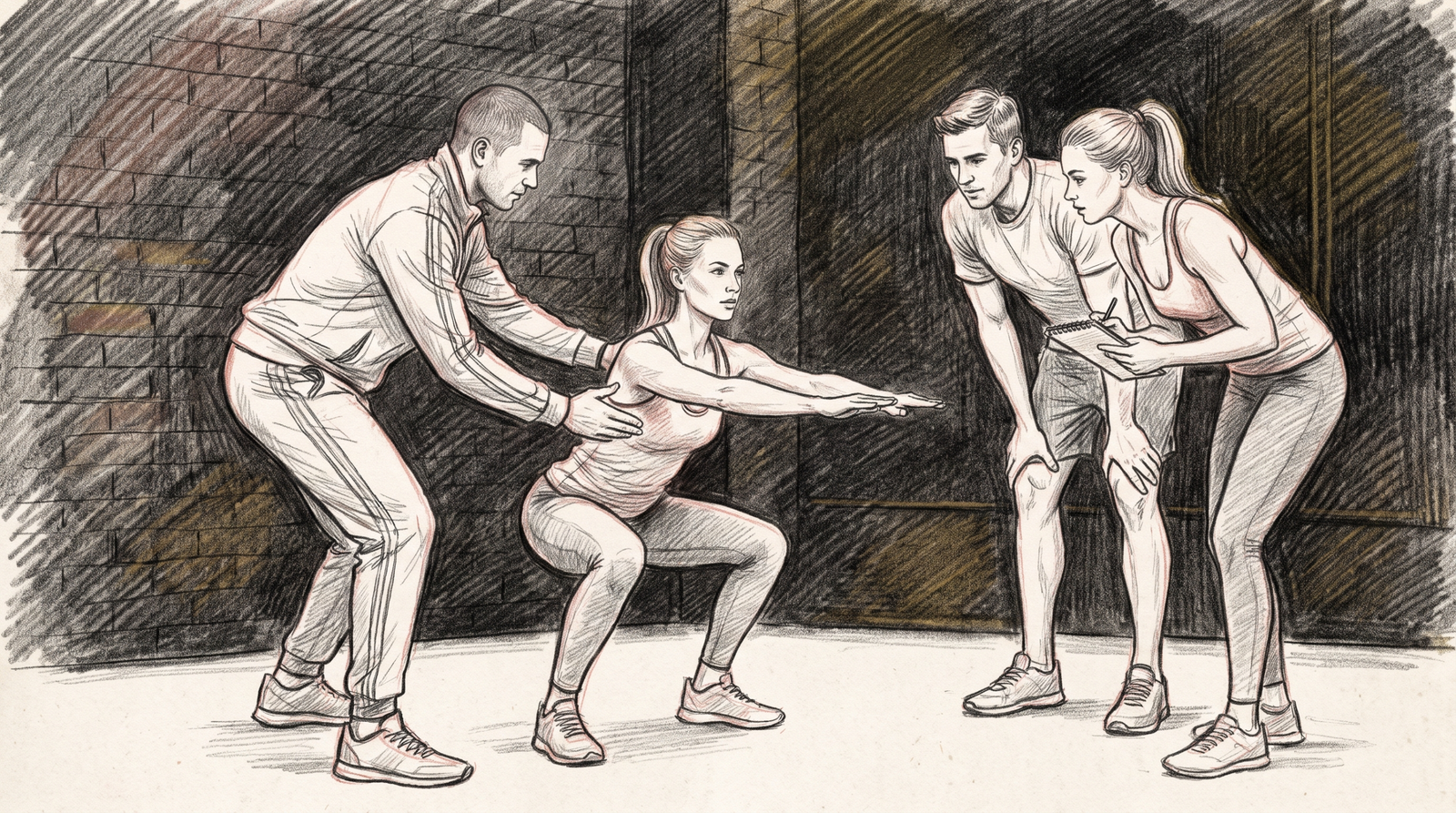
Start by calling gyms and fitness studios in your area. Many facilities in Rajouri Garden, Saket, and Dwarka run small group programs alongside their one-on-one offerings. Ask what days and times groups meet, how many people are in each group, and whether the trainer runs sessions at different fitness levels. A good gym manager will give you this information without pressure.
Online directories like UrbanPro, Fitternity, and local Delhi fitness communities on social media list small group programs with trainer profiles, pricing, and client reviews. Filter by neighborhood, session type, and trainer experience to narrow down options. Look for trainers with recognized certifications, not just someone who calls themselves a fitness coach.
Attend a trial session before committing to a package. Most trainers offer a single paid session so you can experience the group dynamic and observe the trainer’s coaching style.
Pay attention to whether you get individual attention during the trial and whether the workout feels appropriately challenging. If the session feels off, you are gathering useful information, not wasting money. A single session tells you more about trainer compatibility than any website or review.
Ask about monthly package options before you sign anything. Monthly commitments almost always reduce the per-session cost by 20 to 30 percent compared to paying session by session.
Ask about the cancellation policy too. Life happens, and you want a trainer who can accommodate schedule changes without penalizing you unfairly. If your schedule is unpredictable, our article on working with an online fitness trainer covers how remote coaching works and whether it suits your situation.
Frequently Asked Questions
How much does small group training cost compared to 1-on-1 in Delhi?
Small group sessions cost between 500 and 1,000 rupees per person. One-on-one sessions with the same trainer run 800 to 3,000 rupees. You are splitting the trainer’s hourly rate across three to five people, which is why the per-person cost drops so significantly.
Monthly packages bring the cost down even further. A 10-session package might reduce your per-visit cost by 20 to 30 percent compared to paying for individual sessions.
How do I find small group training in Rajouri Garden, Dwarka, or Saket?
Call gyms and fitness studios in those neighborhoods and ask about their group programs. Many facilities run small group sessions alongside one-on-one coaching. Online platforms like UrbanPro and Fitternity also list trainers by location with pricing and reviews.
Local fitness communities on social media are another useful source for recommendations. Ask for referrals from people who have actually attended the sessions rather than relying solely on online ratings.
Is small group training good for beginners?
Yes, beginners often thrive in small groups. The environment is supportive, and you learn by watching others with more experience. The trainer provides individual attention without the intensity of a one-on-one session, which can feel overwhelming for someone new to structured training.
You are not alone in not knowing what you are doing. If you start in a small group and feel anxious after two or three sessions, try a one-on-one trial instead. Some people need that private setting to build confidence before joining a group.
How many sessions per week should I book?
Two sessions per week is enough for most people to see steady improvement. Three sessions per week is a good target if you want faster progress and can handle the recovery demand.
Avoid jumping straight into five or six sessions if you are returning to training after a break. Consistency over several months matters far more than cramming extra sessions into a single week. Build gradually and let your body adapt.
What is the ideal group size for small group training?
The ideal group size is three to six people. Groups of three to four let the trainer spend meaningful time with each participant. Groups of five to six keep costs lower while still allowing the trainer to rotate through everyone.
Groups larger than seven start to feel like a large class, and individual attention drops significantly. If a trainer runs groups larger than eight and claims it is still small group training, ask how they manage individual corrections in that setting.
Can I switch from small group to one-on-one training later?
Yes, most trainers in Delhi offer both formats and will let you switch as your needs change. Many will even let you mix formats, doing one or two one-on-one sessions per month alongside your group sessions.
This hybrid approach is practical if you want group accountability for general training but need individual coaching for specific technique work. Discuss this option during your initial consultation so the trainer can plan their schedule accordingly.

About the Author
Richi Singh — Certified Personal Trainer, Delhi
With over 12 years of coaching experience, Richi Singh specializes in weight management, sports conditioning, and corporate wellness. He has trained celebrities, athletes, and everyday clients across Delhi, combining assessment-driven programming with nutrition guidance for lasting results.